
Imagine having a personal health coach in your pocket—one that keeps track of your every move, knows what’s best for your body, and guides you towards better health, day by day. Welcome to the world of healthcare apps! These digital companions can do much more than just count your steps—they’re revolutionizing the way we monitor and manage our health.
But how do you make the most out of these tiny tech wonders? Whether you’re looking to lose weight, improve your sleep, or just stay on top of your health, healthcare apps have your back. Let’s dive into how to really use these apps to supercharge your health—and have some fun while doing it!
1. Your Health, Digitized: Real-Time Monitoring Like Never Before
The first step to using a healthcare app is realizing that you now have real-time access to your health data. That’s right—your health stats are no longer a mystery buried in doctor’s files. You can see everything from your heart rate to how well you slept last night, instantly.
Here’s how it works: Wear a fitness tracker or simply use your smartphone, and these apps gather data like steps taken, calories burned, and even how long you stood during the day. For more advanced users, some apps can monitor blood pressure, oxygen levels, and even stress.
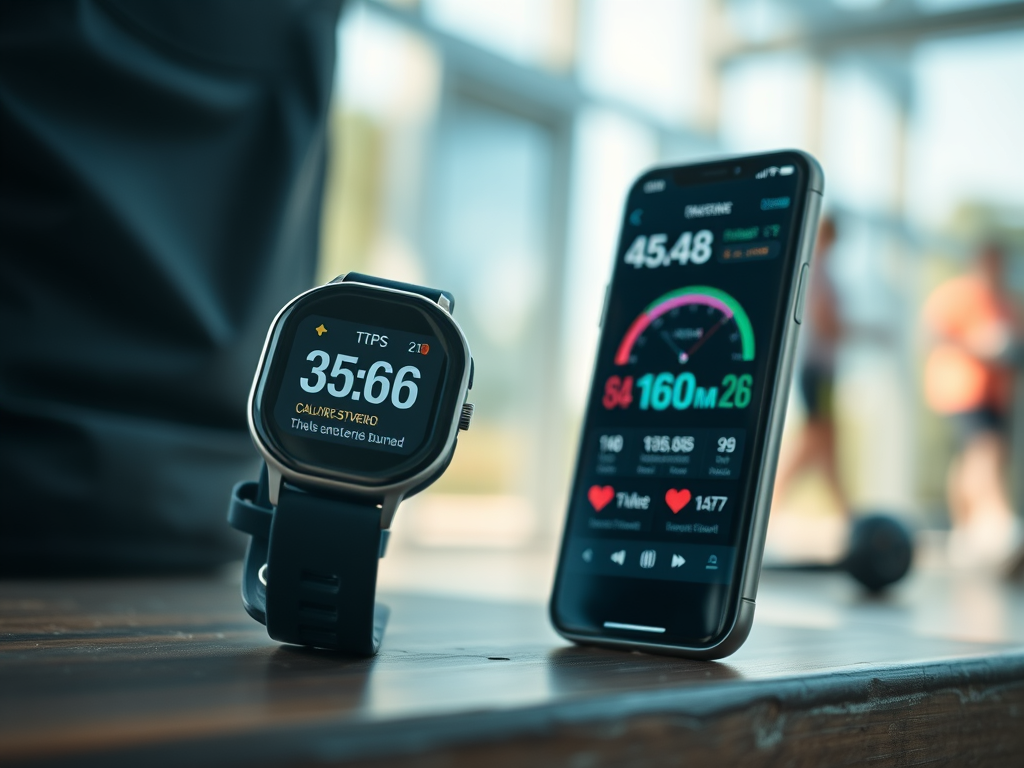
But the real magic? It’s all personalized to you. The app uses your data to create a health profile, making it easier to track trends over time. You’ll start noticing patterns—like how skipping breakfast affects your energy levels or how a quick evening walk can improve your sleep.
2. Set Fun, Achievable Goals: Get Ready to Challenge Yourself
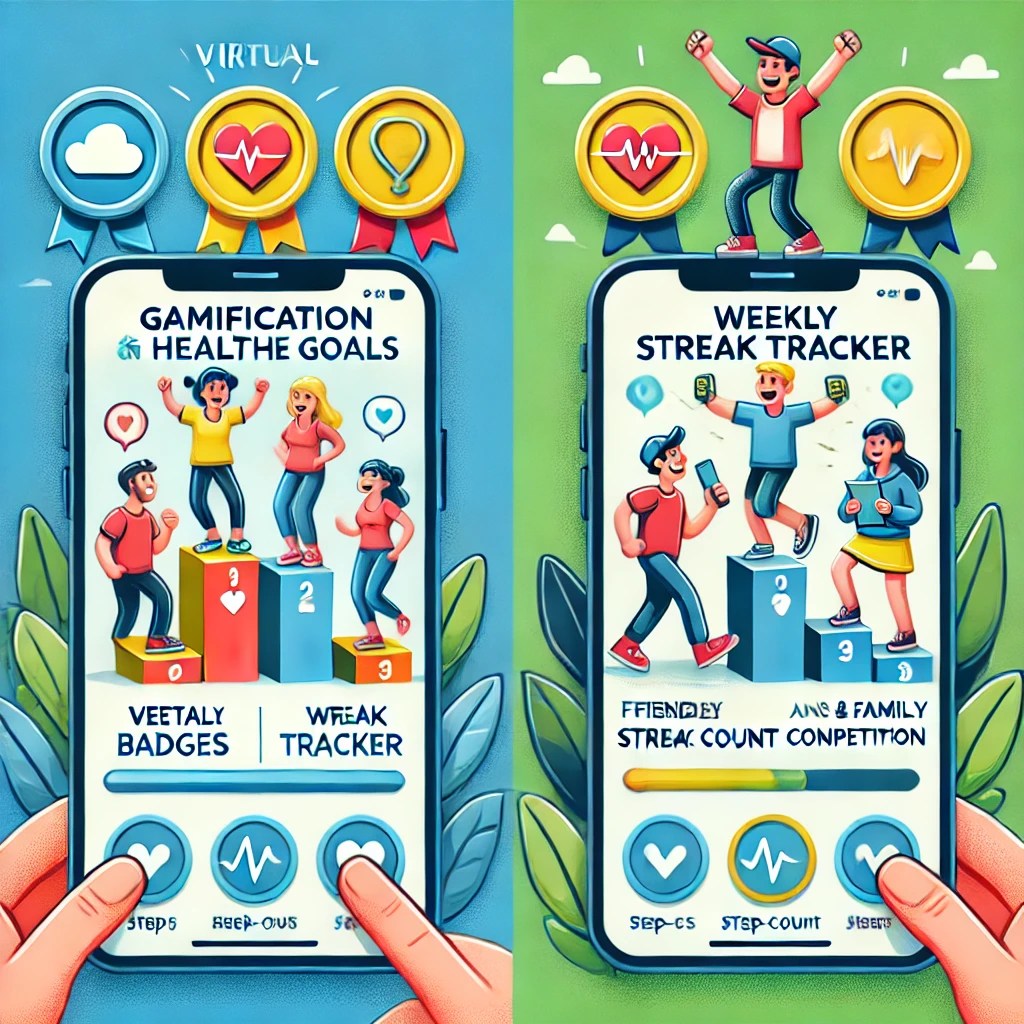
One of the best features of healthcare apps is how they help you set customized health goals. And no, it’s not all about hitting the gym seven days a week. These apps let you set goals that fit your life, whether that’s getting 10,000 steps a day, drinking more water, or meditating for 10 minutes.
The best part? Gamification! Many apps turn your health goals into fun challenges. They might reward you with virtual badges or push you to complete a weekly “streak.” You can even compete with friends or family members to see who can hit their health goals the most consistently. Because let’s be honest—who doesn’t want to beat their friend in a step-count competition?
3. Personalized Health Plans: Tailored Just for You
Ever wish you had a personal coach to tell you exactly what you should do to stay healthy? Well, with healthcare apps, that’s basically what you’re getting. These apps create personalized health plans based on your real-time data.
For example, if the app notices that you’ve been sitting for too long (hello, desk job!), it might suggest some simple stretches or a quick walk. Didn’t sleep well last night? Your app could recommend a light workout instead of that intense cardio session you had planned.
By paying attention to your unique patterns—like how many calories you burn, your heart rate, or your sleep cycle—the app adjusts its recommendations, making sure they suit your body’s needs. It’s like having a health expert in your pocket, always ready to guide you toward better habits.
4. Nutrition Tracking: What Goes In, Shows Up on the App
Let’s be real—keeping track of what we eat can be tough. But healthcare apps make nutrition tracking easy and even fun! You can log everything from meals to snacks and see how they impact your overall health.
Some apps come with extensive food databases, so you can just scan the barcode of your food, and it automatically inputs all the nutritional info—calories, protein, fats, carbs, and even micronutrients like vitamins and minerals. Over time, you’ll see how your diet affects your energy levels, weight, and even sleep.
Here’s a cool feature: Some apps sync with your fitness data to adjust your daily calorie needs based on how much you’ve exercised. So, if you’ve had an intense workout, the app might suggest you need a bit more fuel. It’s all about balance!
5. Better Sleep, One Night at a Time
If you’re struggling with sleep, a healthcare app might just be your new best friend. Many apps now include sleep tracking features, which analyze how long and how well you’re sleeping. By using your phone’s sensors or pairing with a wearable device, these apps can detect when you’re in light or deep sleep.
But it doesn’t stop there! Based on your sleep data, the app will give you tips to improve your rest—whether that’s cutting down on caffeine, tweaking your bedtime routine, or even adjusting the temperature of your bedroom.

Some apps even offer sleep sounds or guided meditations to help you fall asleep faster. After a few weeks of tracking, you’ll get to see how much REM sleep you’re getting and learn what lifestyle changes can help you sleep like a baby.
6. Tracking Your Mental Health: Mind and Body Together
We often forget that mental health is just as important as physical health, and many healthcare apps help you track both. These apps let you record your mood, stress levels, and even help you manage anxiety through mindfulness exercises and guided meditations.
By tracking your mental health, you’ll start to notice trends. Maybe you’re feeling more anxious on days when you skip your morning run, or maybe meditating for just 10 minutes a day drastically reduces your stress levels. Whatever the case, your app will help you identify and manage these patterns.
Some apps even offer mental health exercises, like breathing techniques or journaling prompts, to help you keep your mind sharp and your stress levels low. Think of it as a mental health check-in, anytime you need it.
7. Keep an Eye on the Bigger Picture: Long-Term Health Insights
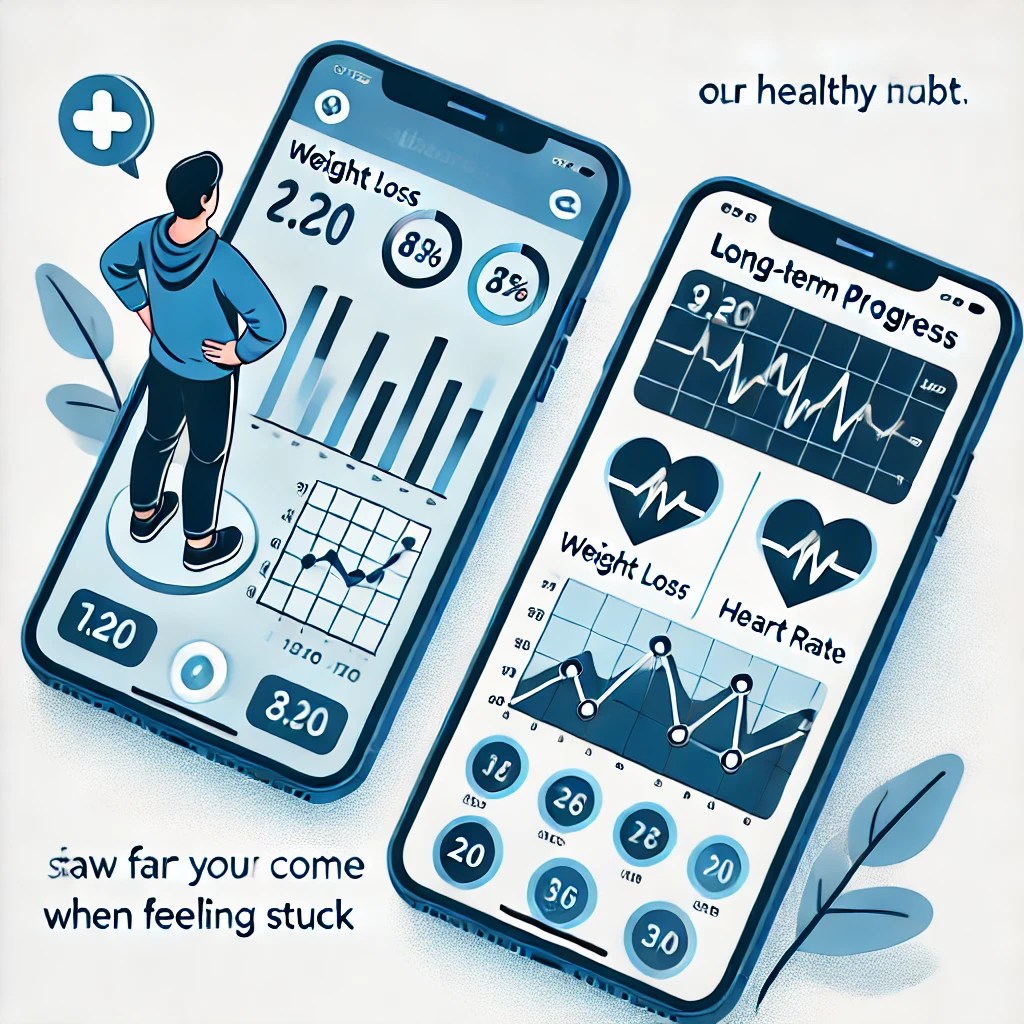
One of the most powerful things about healthcare apps is their ability to show you the big picture of your health over time. By consistently using the app, you’ll build a database of your own health history—everything from how much you exercised this month to how many hours of sleep you averaged.
These apps often come with detailed analytics that allow you to look back at your progress. You can see how far you’ve come, whether it’s losing weight, improving your heart rate, or just sticking to a healthy routine. This long-term perspective can be a huge motivator, especially when you’re feeling stuck.
For people managing chronic conditions like diabetes or hypertension, healthcare apps can also serve as vital tools for tracking key health metrics and sharing this data with doctors. Having all your health info in one place makes it easier to see trends and make adjustments.
8. Syncing with Wearable Devices: A Dynamic Duo
Pairing your healthcare app with a wearable device like a smartwatch or fitness tracker takes things to the next level. These devices constantly monitor your physical activity, heart rate, and sleep patterns, syncing with your app to give you even more precise health data.
With wearable devices, your app can monitor how many steps you’ve taken, how long you’ve been active, and even how stressed you are throughout the day. It’s like having a fitness coach on your wrist! Wearables also send reminders to move, drink water, or take a break when you’ve been inactive for too long.
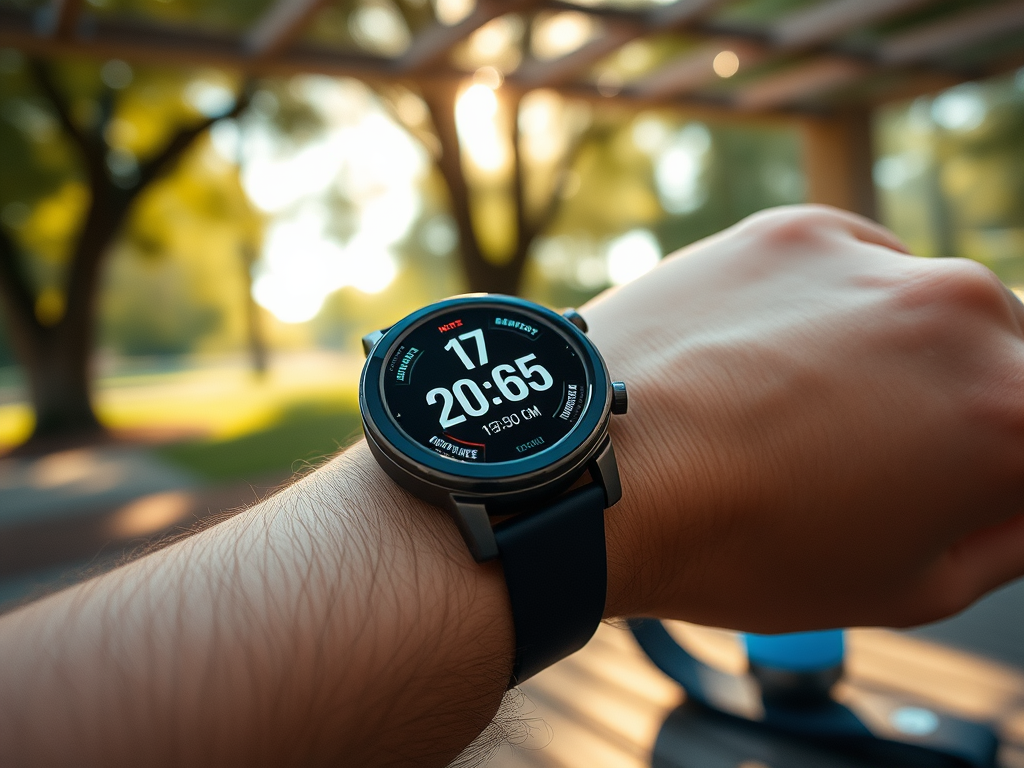
And the best part? Everything is automatic. You don’t need to manually input data—your app and wearable device handle it all. Together, they provide a complete, real-time picture of your health.
Conclusion: The Power of Healthcare Apps in Your Hands
Healthcare apps are more than just digital pedometers. They’re personalized health tools that help you track, monitor, and improve every aspect of your well-being. From real-time data to tailored health plans, nutrition tracking, and even mental health check-ins, these apps offer a wealth of features designed to make staying healthy not only easier but more enjoyable.
So, the next time you open your healthcare app, remember—it’s not just tracking your steps or monitoring your heart rate. It’s helping you take charge of your health, one small step (or data point) at a time. Now, go out there and let your app guide you to a healthier, happier you!
 Summit Select
Leave a comment