
In today’s hyper-connected world, it seems impossible to escape the constant ping of notifications, endless social media scrolling, and the compulsion to stay online 24/7. From smartphones and laptops to social media and email, our lives are increasingly dominated by digital devices and online interactions. But with this rise in digital dependence, many people are starting to question the impact that all this screen time is having on their well-being. This is where the concept of a digital detox comes in—a break from screens to reconnect with the real world.
In this article, we’ll explore the importance of digital detoxing, share stories from people who have tried it, and offer tips on how you can unplug and recharge in an increasingly digital world. If you’ve ever felt overwhelmed by your screen time or wondered what life would be like without constantly checking your phone, you’re not alone. Let’s dive into why a digital detox might be exactly what you need.
What is a Digital Detox?
A digital detox is a period during which an individual voluntarily refrains from using digital devices like smartphones, computers, and tablets. The goal is to reduce stress, improve mental health, and regain control over one’s time and attention. Think of it as a break for your brain—a chance to unplug, reset, and focus on activities that don’t involve staring at a screen.
In a world where we’re constantly connected, a digital detox can provide much-needed relief from the barrage of information and communication. It allows you to step back from the noise and distractions, enabling you to engage more meaningfully with yourself, others, and your surroundings.
Why Do We Need a Digital Detox?
There’s no denying the positive impact that digital technology has had on our lives. It’s connected us in ways that were unimaginable just a few decades ago. However, with the benefits come certain drawbacks, particularly when it comes to mental health.
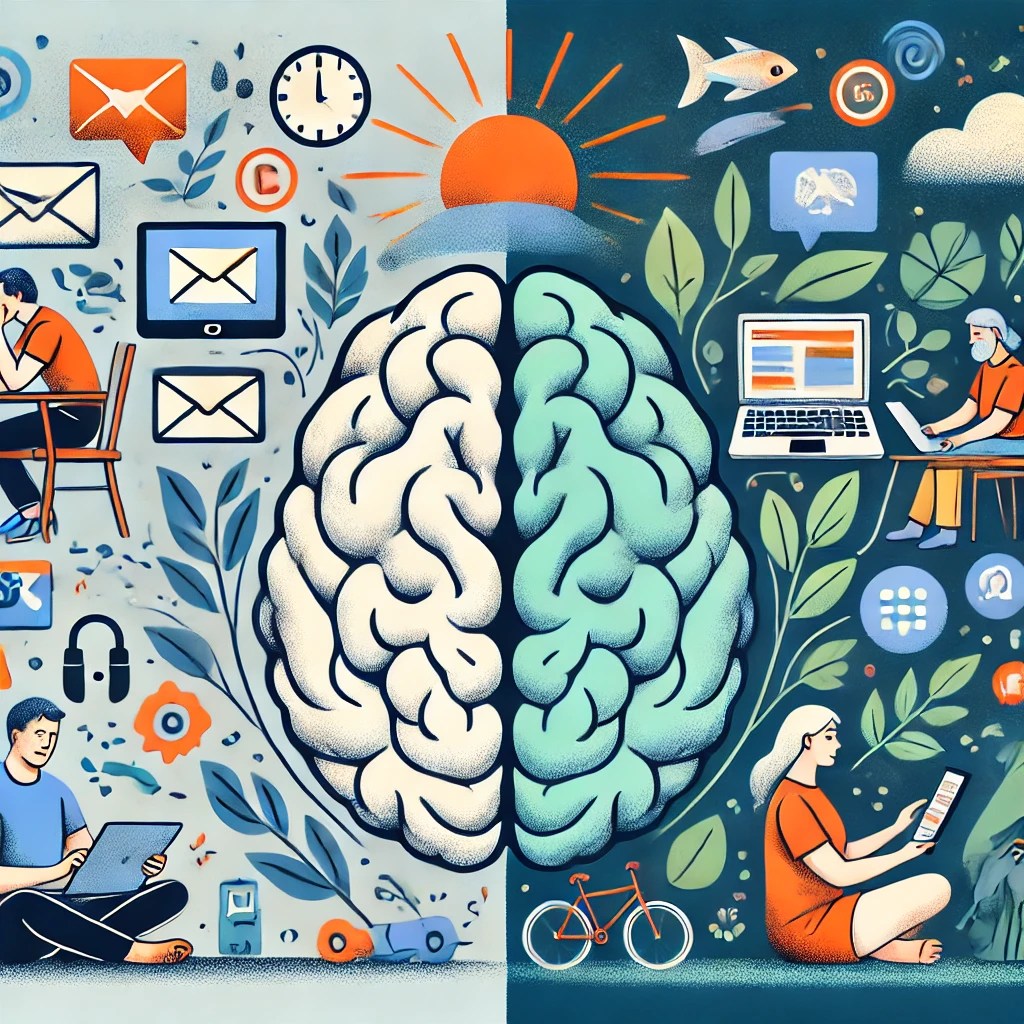
- Constant Connectivity: Being “always on” can lead to stress, anxiety, and even burnout. The pressure to respond to messages instantly or keep up with social media can make it difficult to relax and unwind.
- Attention Fragmentation: With endless notifications, alerts, and the lure of social media, our ability to focus has drastically diminished. It’s common to switch between tasks every few minutes, which can lead to decreased productivity and an overwhelmed mind.
- Sleep Disruption: Exposure to screens, especially before bedtime, can negatively affect sleep quality. Blue light from screens suppresses melatonin production, making it harder to fall asleep.
- Comparison Culture: Social media can often lead to feelings of inadequacy as we compare our lives to the curated highlights of others. This can result in lower self-esteem and dissatisfaction with our own lives.
These issues point to the growing need for periodic disconnection—a time when we can put the devices down and focus on what truly matters.
Real Stories: The Impact of Digital Detoxing
To better understand the effects of a digital detox, let’s look at a few personal experiences from people who have tried it.
Emma’s Experience: Reconnecting with Herself
Emma, a 30-year-old graphic designer, found herself constantly glued to her phone. Between work emails, social media, and online shopping, she was spending nearly every waking moment on her devices. She started feeling mentally drained and found it hard to concentrate on her work and personal life.

Emma decided to try a 7-day digital detox, cutting out all unnecessary screen time. The first few days were difficult; she felt restless without her phone constantly in hand. However, by the middle of the week, something shifted. She began to enjoy more time reading, journaling, and walking outdoors. By the end of the detox, Emma felt calmer, more focused, and realized how much time she had been wasting on her phone. The detox helped her develop a healthier relationship with her devices, and she now schedules regular “phone-free” days.
David’s Experience: Rediscovering Real-World Connections
David, a 25-year-old university student, noticed that his social life had become dominated by online interactions. Whether it was keeping up with group chats, checking Instagram, or gaming, most of his free time was spent in the digital realm.
When David embarked on a digital detox weekend, he decided to spend it reconnecting with friends and family in person. Without the distraction of notifications, he found himself having deeper conversations and enjoying activities like hiking and cooking with his loved ones. By the end of the weekend, David felt more connected to the people around him and less dependent on social media for validation.
The Benefits of a Digital Detox
So, what are the concrete benefits of stepping away from your screens? Here are a few key advantages:
- Improved Mental Clarity: Without the constant stream of information, your brain gets a chance to rest. Many people report feeling mentally refreshed after a digital detox, with improved concentration and creativity.
- Better Sleep: Cutting out screen time, especially before bed, can lead to better sleep quality. Without the blue light from devices, your body can produce melatonin naturally, helping you fall asleep faster and sleep more soundly.
- Enhanced Relationships: When you put down your phone, you become more present in your interactions with others. This can lead to deeper conversations, stronger connections, and more fulfilling relationships.
- Increased Productivity: Without the distraction of notifications and social media, many people find they are able to focus better and accomplish more during their day.
- Greater Mindfulness: A digital detox encourages you to live in the moment and appreciate the world around you. Whether it’s spending time in nature, enjoying a meal without distractions, or simply being present with your thoughts, detoxing can help cultivate mindfulness.

How to Start Your Own Digital Detox
Feeling inspired to try a digital detox for yourself? Here are some simple steps to help you get started:
1. Set Clear Goals
Determine why you want to detox. Is it to reduce stress, improve focus, or reconnect with loved ones? Having clear goals will help you stay motivated throughout the process.
2. Start Small
You don’t need to quit all screens cold turkey. Start by cutting out one aspect of your digital life—like social media or email—for a set period. Gradually increase your detox time as you get more comfortable.
3. Schedule Screen-Free Time
Designate specific times during the day when you won’t use any devices. For example, you could make the first hour after waking up and the last hour before bed screen-free.
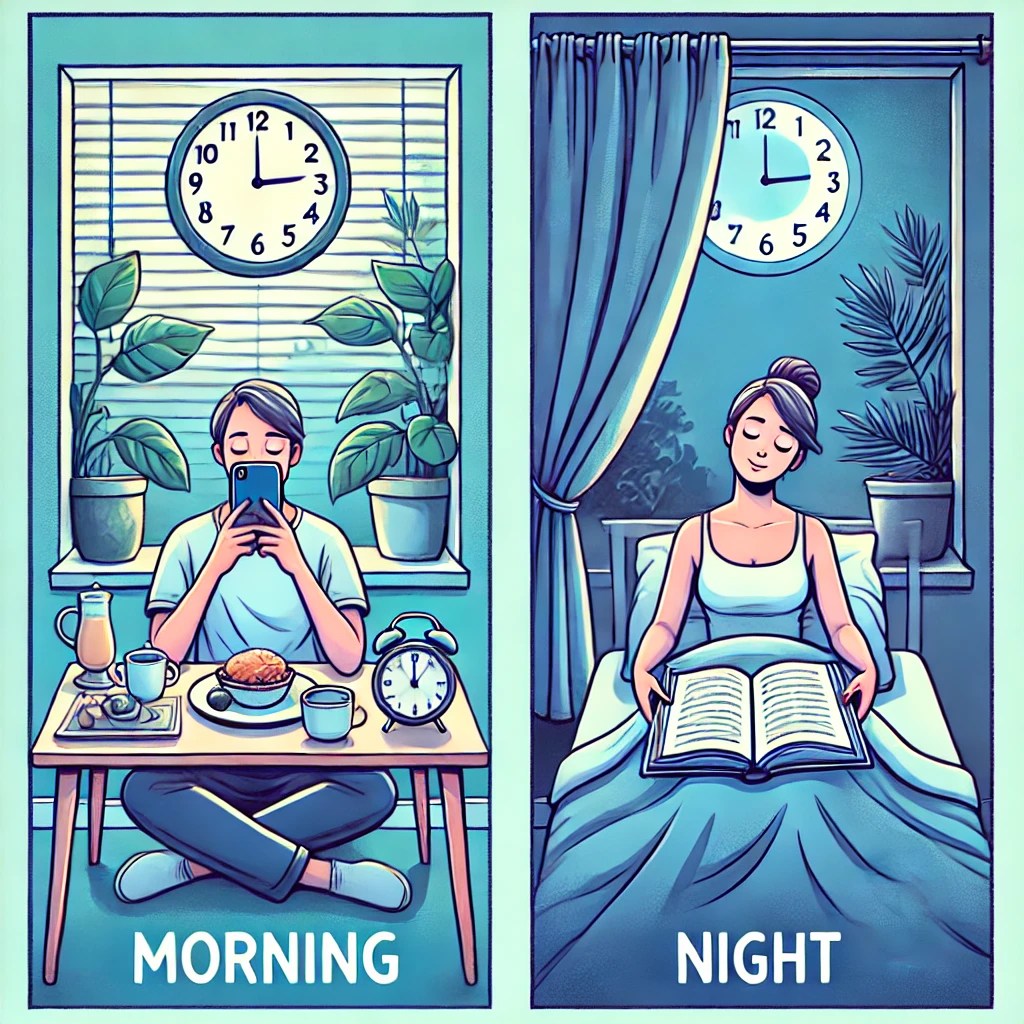
4. Replace Screen Time with Offline Activities
Fill your time with activities that don’t involve screens, like reading, exercising, cooking, or spending time outdoors. Rediscover hobbies or try something new.
5. Inform Others
Let friends, family, or coworkers know you’re doing a digital detox so they don’t expect instant responses. This will help manage their expectations and reduce the pressure on you to stay connected.
Conclusion: Unplug to Recharge
In a world where digital devices have become an extension of ourselves, a digital detox offers a much-needed break. It’s an opportunity to step back, reevaluate your relationship with technology, and focus on what truly matters—whether that’s your mental health, relationships, or simply living more mindfully. By intentionally unplugging from the digital world, you can recharge and reconnect with the things that bring you joy in the real world.
So, are you ready to try your own digital detox and reclaim your life from the screen?
 Summit Select
Leave a comment