
Imagine being able to design a diet plan that’s tailor-made just for you—one that doesn’t rely on one-size-fits-all trends like keto, paleo, or low-carb. Instead, it’s based on the very building blocks that make you who you are: your DNA. Sounds like something out of a sci-fi movie, right? Well, welcome to the future, because DNA-based dieting is becoming a reality.
Yes, you heard that right. Scientists have developed methods to analyze your genetic code and figure out which foods will best help you lose weight, stay fit, or even boost your energy. It’s like a cheat code for your body! But does it really work, and how does it all come together? Let’s dive into the fascinating world of DNA-based diets, and see if this new approach to nutrition is the secret we’ve all been waiting for.
What Is DNA-Based Dieting, Anyway?
First things first—what exactly is a DNA-based diet? Well, it’s pretty much what it sounds like. Using genetic testing, scientists can look at your DNA to identify specific markers that influence how your body processes certain foods. These markers can reveal everything from how efficiently you burn fat to whether you have a tendency to gain weight from carbs or fats.
For example, let’s say your DNA shows that you metabolize fats slower than the average person. This means those high-fat foods, like cheese and avocado, might be working against you when it comes to losing weight. On the flip side, someone else’s DNA might show that they handle carbs poorly, meaning they’d be better off cutting back on bread and pasta.

How Does DNA Testing for Diets Work?
The process starts with a simple saliva test. Yep, no needles or complex procedures—just spit into a tube and send it off to a lab. Once your DNA is analyzed, the results come back in the form of a detailed report that breaks down your genetic profile related to diet, exercise, and overall health.
The analysis typically focuses on a few key factors:
- Carbohydrate Sensitivity: How well your body handles carbs and how likely you are to gain weight from them.
- Fat Metabolism: Your ability to process fats efficiently.
- Lactose Tolerance: Whether your body can properly digest dairy products.
- Caffeine Sensitivity: How caffeine affects your energy levels and metabolism.
- Vitamin Absorption: How well your body absorbs certain vitamins and nutrients.
With this information, you can build a personalized diet plan that’s optimized for your unique biology. Imagine not having to guess whether a new diet will work for you—you’ll know exactly what your body needs!

Is DNA Dieting Legit or Just a Gimmick?
Let’s be real: there’s no shortage of fad diets out there, each one promising to be the magic solution to weight loss. So, naturally, people are skeptical about the idea of DNA-based diets. But unlike trendy eating plans, this approach has some actual science behind it.
Research shows that genetics can play a significant role in how we respond to food. For example, certain genes are linked to how our bodies metabolize carbs, fats, and proteins. These insights can be used to make more informed dietary choices that go beyond trial and error.
Take lactose intolerance, for instance. If your genes show that you lack the enzyme needed to digest lactose, no amount of willpower is going to make milk sit well in your stomach. The same logic applies to fat and carbs: your DNA can reveal how your body uniquely processes these macronutrients, giving you the power to make smarter food decisions.
That being said, DNA-based dieting isn’t a miracle cure. It’s not going to replace the fundamentals of healthy eating, like portion control and balanced nutrition. But it can give you an edge by helping you understand your body’s strengths and weaknesses, so you can optimize your diet accordingly.
Real Stories: Does DNA-Based Dieting Actually Work?
You’re probably wondering: Do DNA diets actually work in real life? Well, let’s take a look at some real stories from people who have tried it.
Samantha’s Story: A Carb-Lover’s Nightmare
Samantha always loved carbs—bread, pasta, rice, you name it. She had tried multiple diets before but always found herself back to square one, never losing much weight and constantly feeling sluggish. When she did a DNA test, she discovered that her body doesn’t metabolize carbs well, meaning they were a major contributor to her weight gain.
Armed with this knowledge, she switched to a diet focused more on lean proteins and healthy fats. The result? Samantha finally started shedding pounds and, more importantly, felt more energized than she had in years.
John’s Story: The Fat Factor
John was on a low-carb, high-fat diet for years but struggled with weight loss despite his best efforts. His DNA test revealed that he metabolizes fats slowly, meaning his high-fat diet was actually holding him back. After switching to a more balanced approach, with moderate carbs and leaner proteins, he noticed significant improvements in both his weight and overall energy levels.
These stories highlight that DNA diets are not about following blanket diet rules—they’re about discovering what works best for your body and tweaking your habits accordingly.

The Fun Part: DNA Diets Are Like Unlocking Your Body’s Secret Code
Here’s the fun thing about DNA-based diets—they turn dieting into a science experiment that’s all about you. It’s like unlocking a hidden map to your body’s unique metabolic pathways. Think of it as getting access to a personalized “cheat sheet” that guides you through the confusing world of nutrition.
Instead of blindly following the latest diet trend, you’re working with concrete, scientific data. It’s empowering to know that you can ditch the guesswork and tailor your eating habits to what’s going to give you the best results.
Not only that, but it can also take some of the pressure off. We often beat ourselves up when diets fail, thinking we didn’t try hard enough. But maybe it’s not about effort—it’s about the fact that the diet simply wasn’t right for your body. DNA testing can help remove that uncertainty.
How to Get Started with DNA-Based Dieting
Curious to try it out for yourself? Here’s how you can get started:
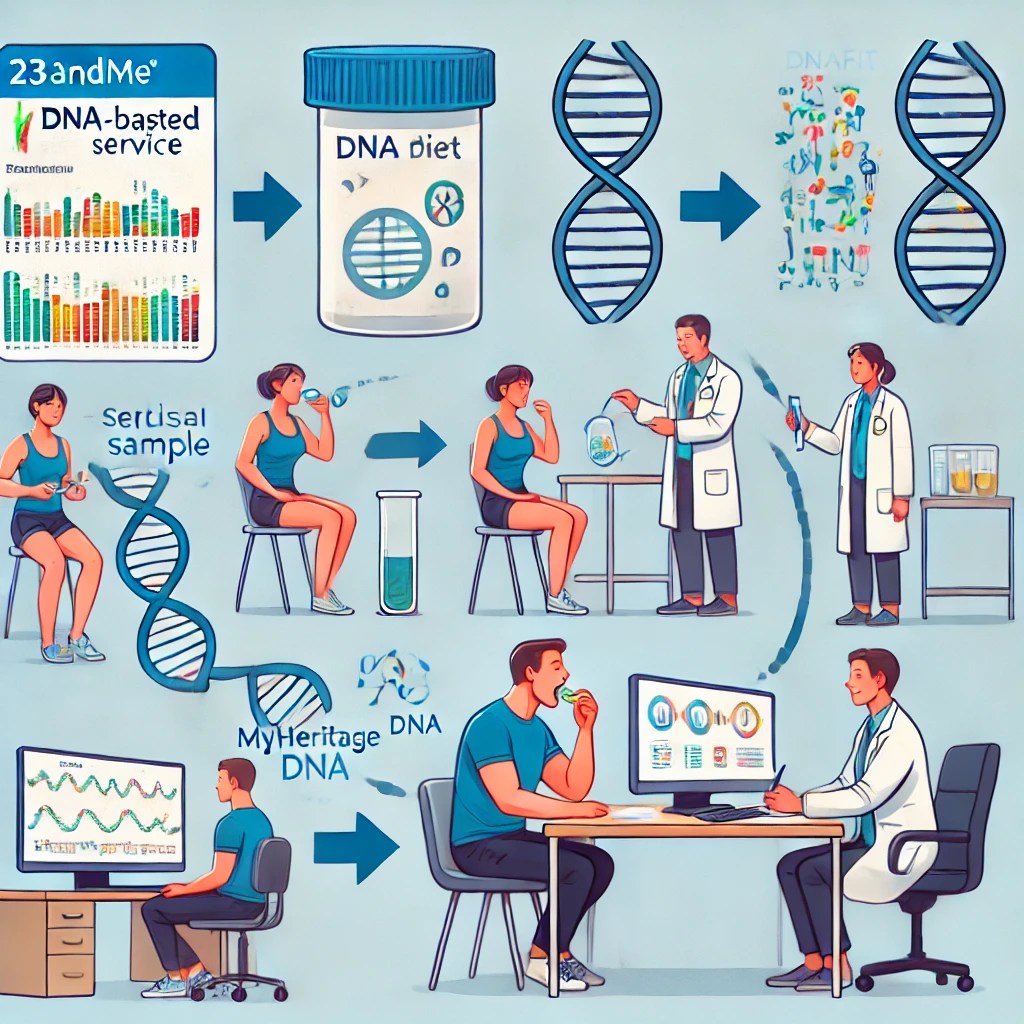
- Choose a Reputable DNA Testing Service: There are several companies offering DNA testing for diet and nutrition. Some popular options include 23andMe, DNAfit, and MyHeritage DNA. Make sure to choose a service that provides detailed reports on diet and nutrition.
- Spit and Send: The test is simple—just provide a saliva sample and send it to the lab. In a few weeks, you’ll get your personalized report.
- Review Your Results: Once your results are in, you’ll receive a breakdown of your genetic markers related to diet, exercise, and nutrition. This is where the magic happens—you’ll finally get a clear picture of how your body responds to different foods.
- Create a Personalized Plan: Armed with your DNA insights, work with a nutritionist or use online tools to develop a diet that’s designed for your genetic makeup. The best part? You can stop wasting time on diets that don’t work for you!
Conclusion: The Future of Dieting? It’s in Your DNA
DNA-based diets may sound futuristic, but they’re here, and they’re changing the way we think about nutrition. While it’s not a one-stop solution for all your health woes, it’s a powerful tool to help you understand your body on a deeper level.
By using your DNA as a guide, you can unlock a whole new level of personalization in your diet, helping you achieve your health goals more efficiently and sustainably. So, is it time to let your DNA take the wheel on your diet journey? Perhaps the future of dieting lies in the genes that make you who you are.
 Summit Select
Leave a comment