
Freelancing can be liberating and exhilarating, offering the flexibility to choose projects and clients. However, managing an irregular income is one of the biggest challenges faced by freelancers. Without the predictability of a regular paycheck, financial planning requires a bit more creativity and strategy. In this blog post, we will delve into smart budgeting techniques specifically tailored for freelancers, helping you navigate the financial ups and downs with ease and confidence.
Embrace the Freelancer’s Financial Cycle
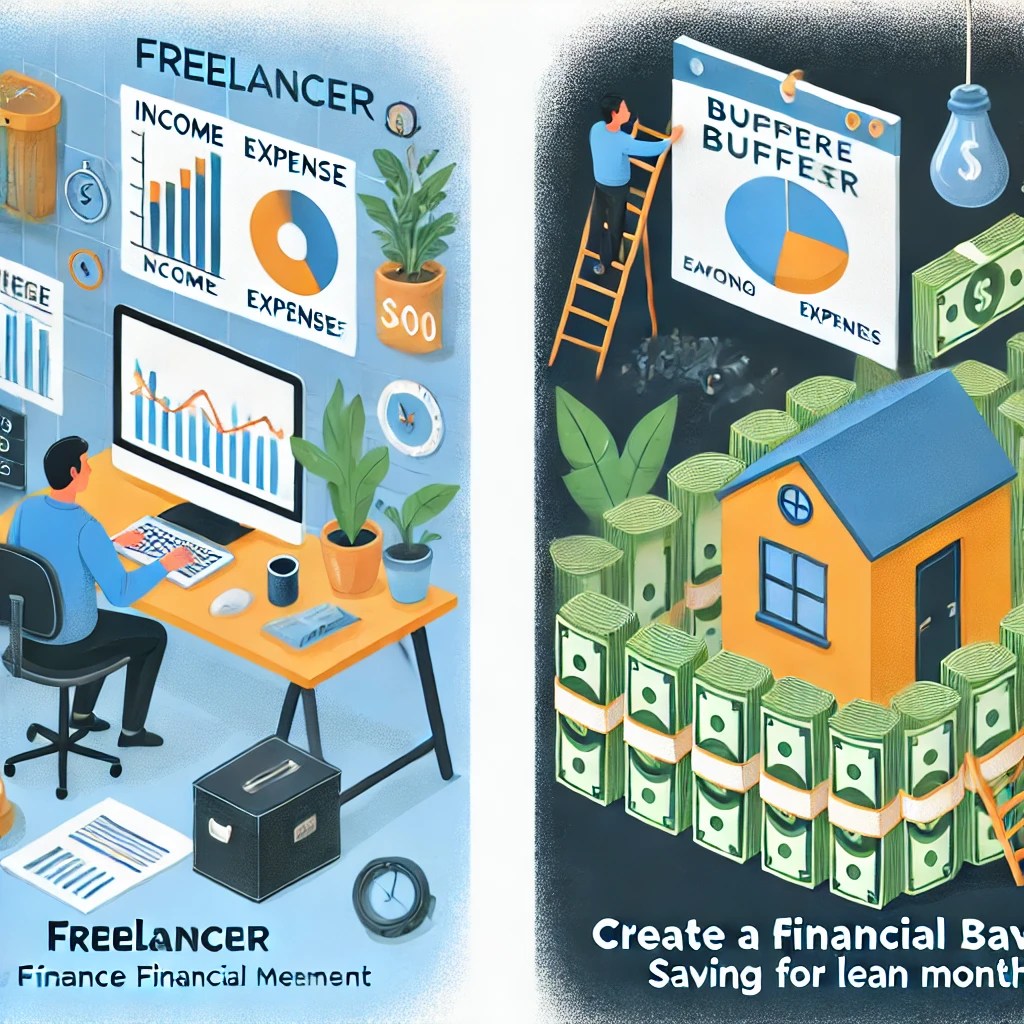
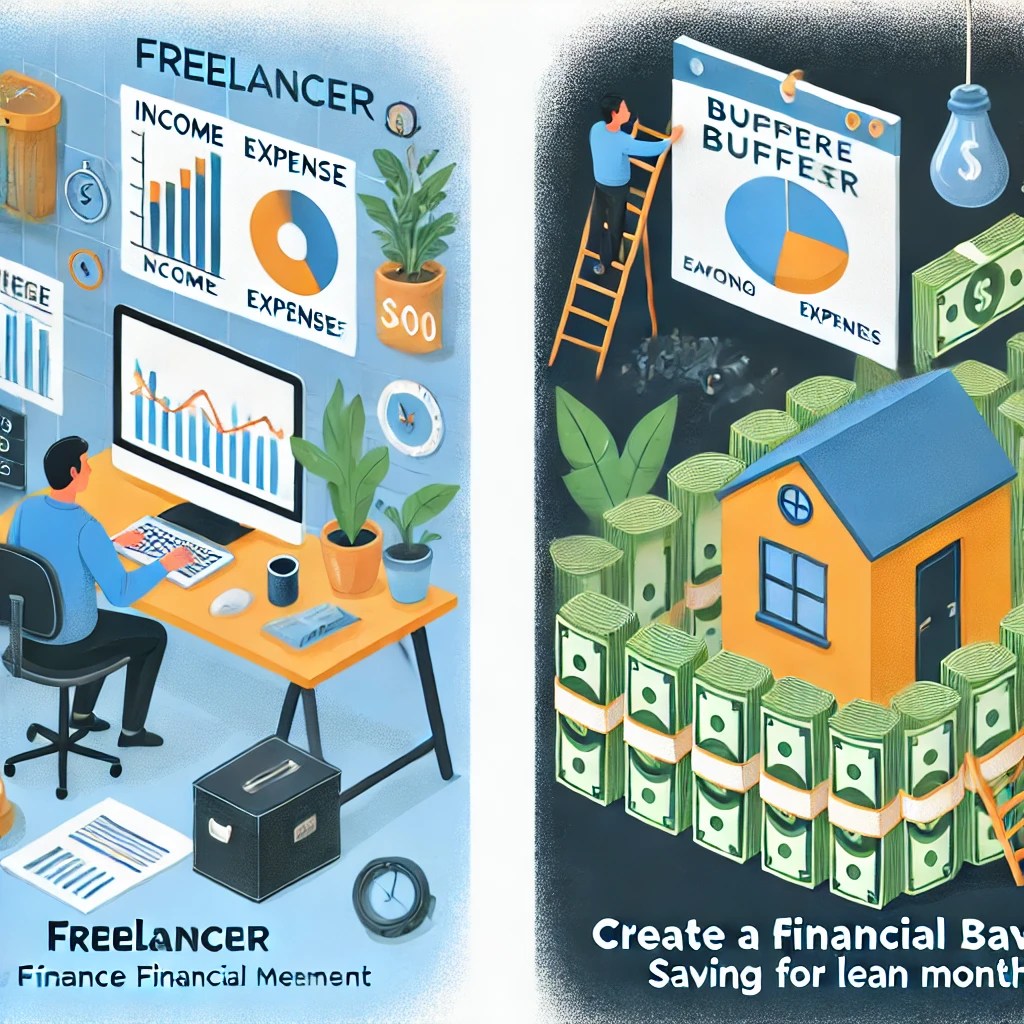
1. Understanding Your Cash Flow Before you can budget effectively, you need to thoroughly understand your cash flow. Start by tracking your income and expenses for a few months to identify patterns. Recognize the feast and famine cycles common to freelancing and plan accordingly.
2. Create a Buffer for Lean Months One of the smartest moves a freelancer can make is setting up a buffer. Aim to save at least three months’ worth of living expenses to cover periods when work is slow or payments are delayed. This fund acts as your financial safety net.
Budgeting Must-Do’s for Freelancers
3. Separate Personal and Business Finances Open separate bank accounts for personal and business finances to avoid confusion. This separation helps in tracking business expenses more accurately, which is beneficial for tax purposes and personal budget clarity.
4. Prioritize Your Spending Start with the essentials—rent, utilities, groceries, and necessary business expenses. Then, allocate a portion of any surplus money towards your buffer before considering discretionary spending.
5. Use Percentage-Based Budgeting Since your income fluctuates, traditional budgeting might not work. Instead, use a percentage-based approach: designate a percentage of each payment for savings, taxes, business expenses, and personal spending. Adjust these percentages based on your financial goals and needs.
Make Your Money Work for You
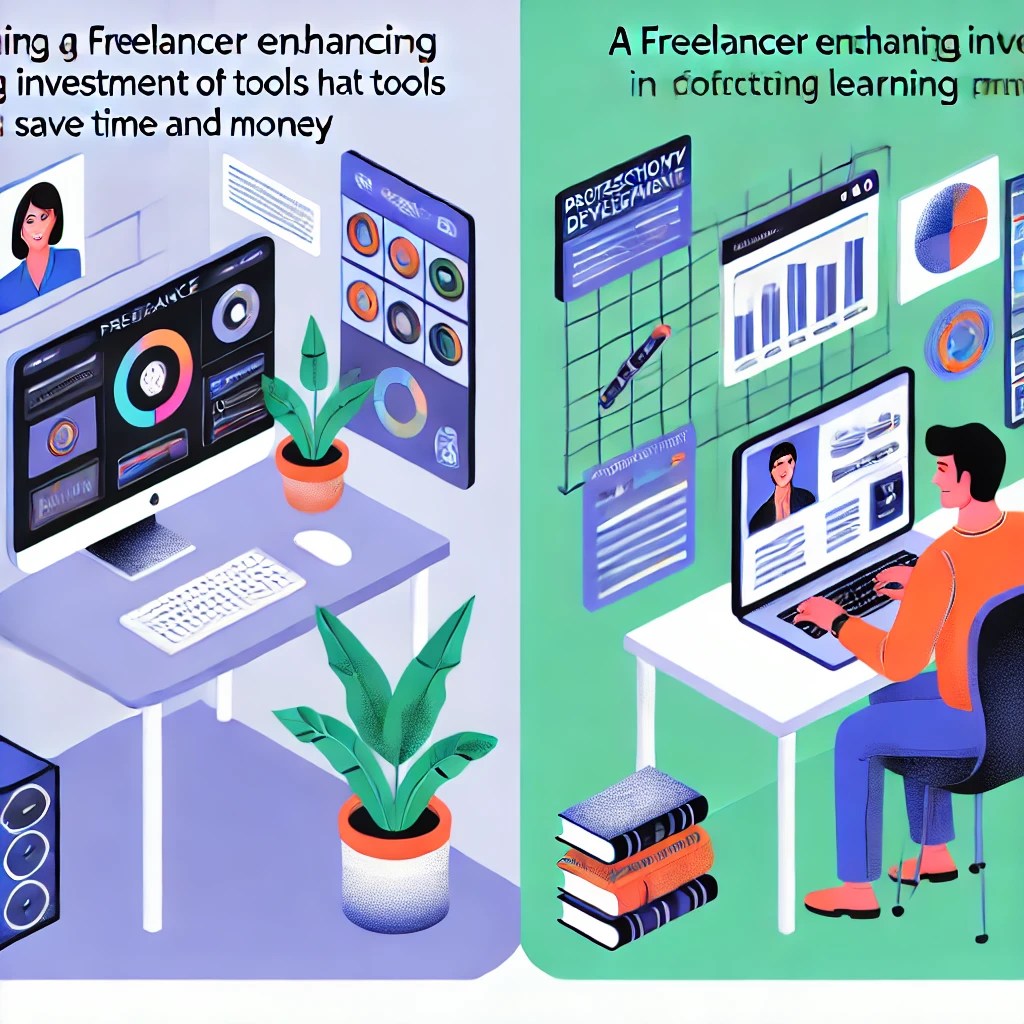
6. Invest in Tools That Save Time and Money Invest in quality software and tools that improve your efficiency and output. While there may be upfront costs, the right tools can save you time and money in the long run, making them worth the investment.
7. Continuous Professional Development Allocate resources towards learning new skills and updating existing ones. This investment not only increases your marketability but can also lead to higher-paying projects.
Stay Prepared for the Unexpected
8. Plan for Taxes Set aside a portion of each payment for taxes to avoid surprises at the end of the financial year. Consider working with a tax professional to ensure you’re saving enough and taking advantage of any applicable deductions.
9. Insurance is Key Invest in good health and professional liability insurance. These policies protect you from potentially devastating financial situations due to health issues or legal challen
*****
Smart budgeting for freelancers involves more than just careful tracking of income and expenses—it requires a proactive approach to managing finances that accommodates the unpredictability of freelance work. By implementing these strategies, you can create a stable financial environment that supports both your personal and professional aspirations. Embrace the freedom that freelancing offers, but also prepare diligently to ensure that this freedom remains sustainable and rewarding.
 Summit Select
Leave a comment