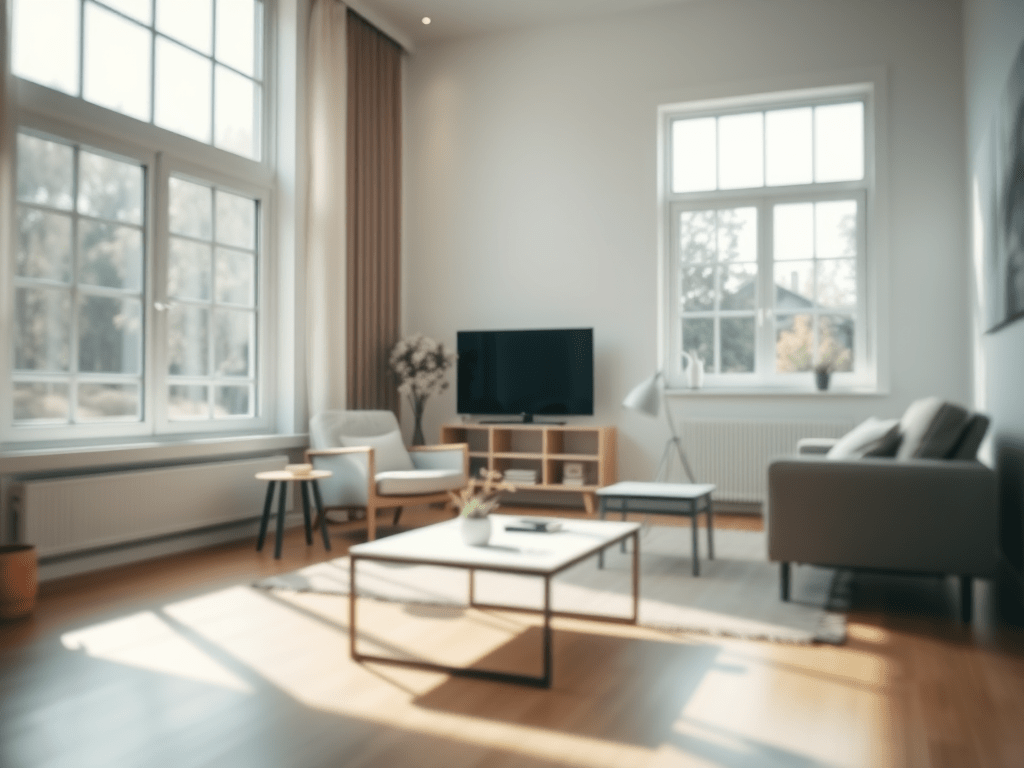
Minimalism is more than just reducing possessions—it enriches life. In today’s society, many people experience mental stress and anxiety despite material abundance. To address these issues, minimalist approaches like decluttering are gaining attention. This article explores the mental health benefits of decluttering and the positive changes that minimalist living can bring.
The Chaos of Space, The Chaos of Mind
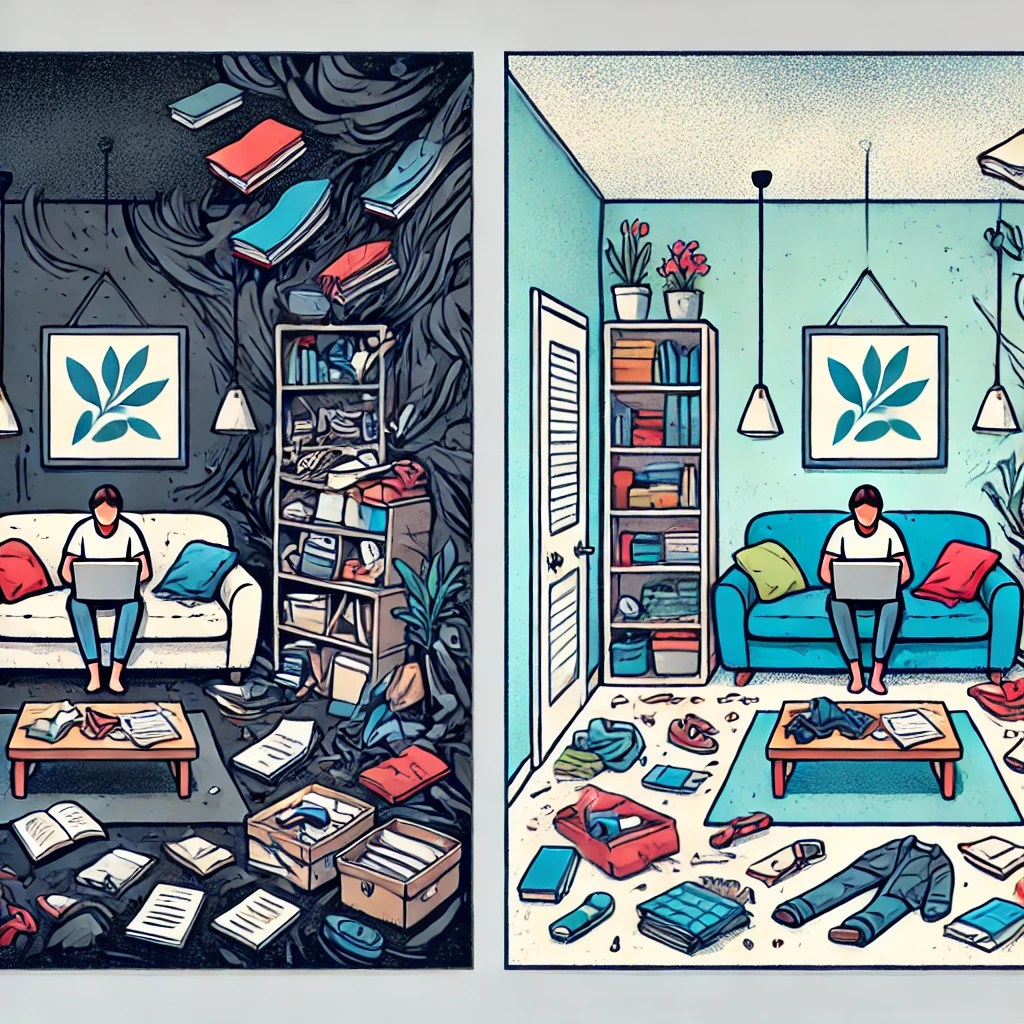
The space we live in often reflects our internal state. Studies show that cluttered and unorganized spaces can increase stress levels. Conversely, clean and organized spaces calm the mind, reduce stress, and enhance overall well-being.
The Psychology of Decluttering
Decluttering is not just a physical activity; it has profound psychological effects. Through decluttering, we discard not only unnecessary items but also unnecessary emotions and past burdens. This process offers an opportunity to reflect on oneself and one’s life, enhancing self-awareness and providing mental clarity.
Minimalism and Mental Health
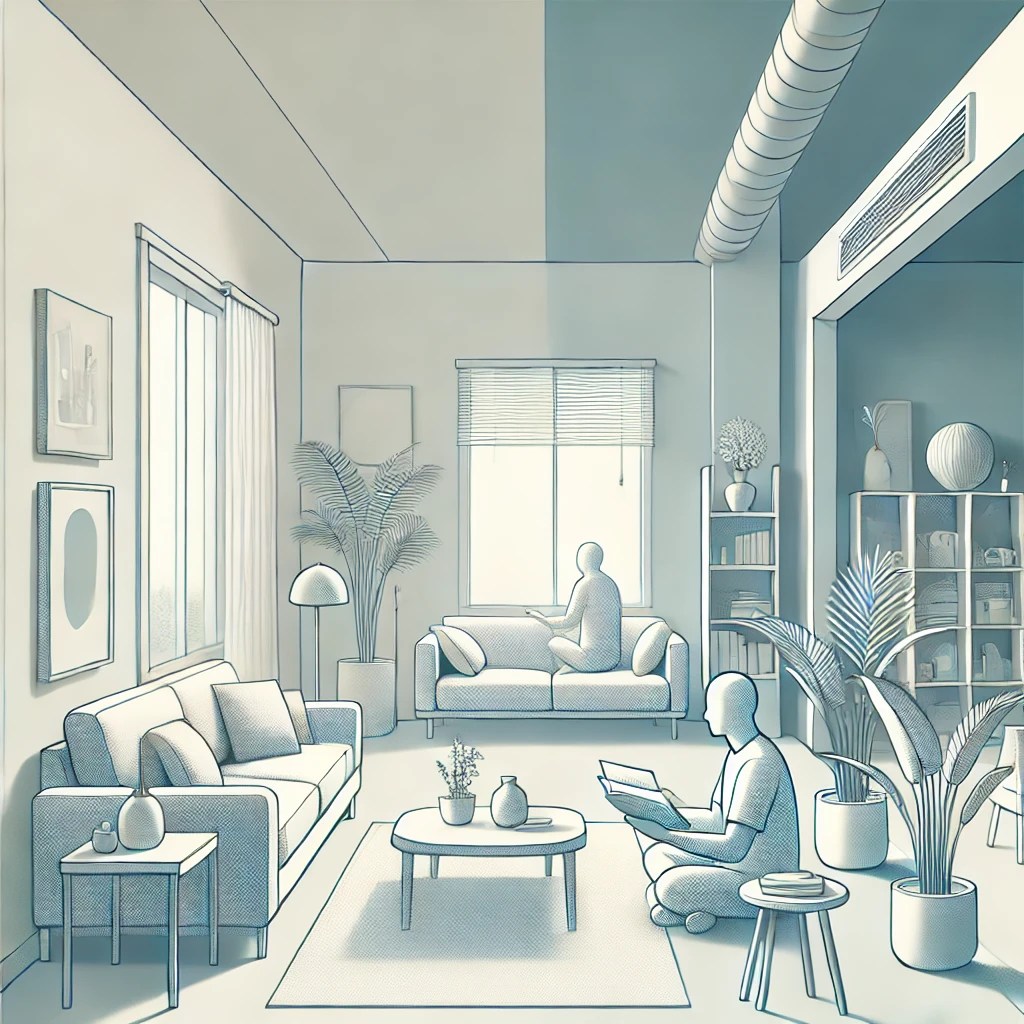
Minimalist living offers several benefits for mental health. By reducing material possessions, we can focus more on what truly matters, such as relationships with family, hobbies, and personal growth. This allows more time and energy to be spent on the true values of life.
Practical Tips: Step-by-Step Decluttering
- Start: Begin with the least used spaces.
- Categorize: Sort items into three categories: necessary, unnecessary, and undecided.
- Decide: Keep only what is truly needed from the sorted items.
- Maintain: Decluttering is not a one-time event but an ongoing process. Develop habits of regularly reviewing and reorganizing.
Conclusion
By adopting a minimalist lifestyle, we can live a lighter, more meaningful life without being tied down by material things. Remember that decluttering is more than just housework; it can be a powerful tool for improving mental health and enhancing the quality of life. Minimalism is not about owning less but experiencing more.
 Summit Select
Leave a comment