
In today’s fast-paced digital world, it feels like the entire planet is just a click away. Whether it’s connecting with a long-lost friend on social media, collaborating on a project with someone halfway across the globe, or instantly translating languages in real-time, technology has transformed the way we interact with the world. But while this unprecedented connectivity has brought countless benefits, it also introduces new challenges. Let’s dive into how technology is uniting us, while also exploring the nuances of this digital age.
Bridging Cultures with a Click
Have you ever wondered what life is like on the other side of the world? Not long ago, learning about a foreign culture meant spending years studying or traveling. Now, with platforms like YouTube, Instagram, and TikTok, anyone can experience slices of daily life from different cultures instantly. Through vlogs, cooking tutorials, and travel documentaries, technology has allowed people to break cultural barriers. From Korean K-pop fans in Brazil to American gamers in Japan, the world has become a global village where cultural exchange happens in real-time.
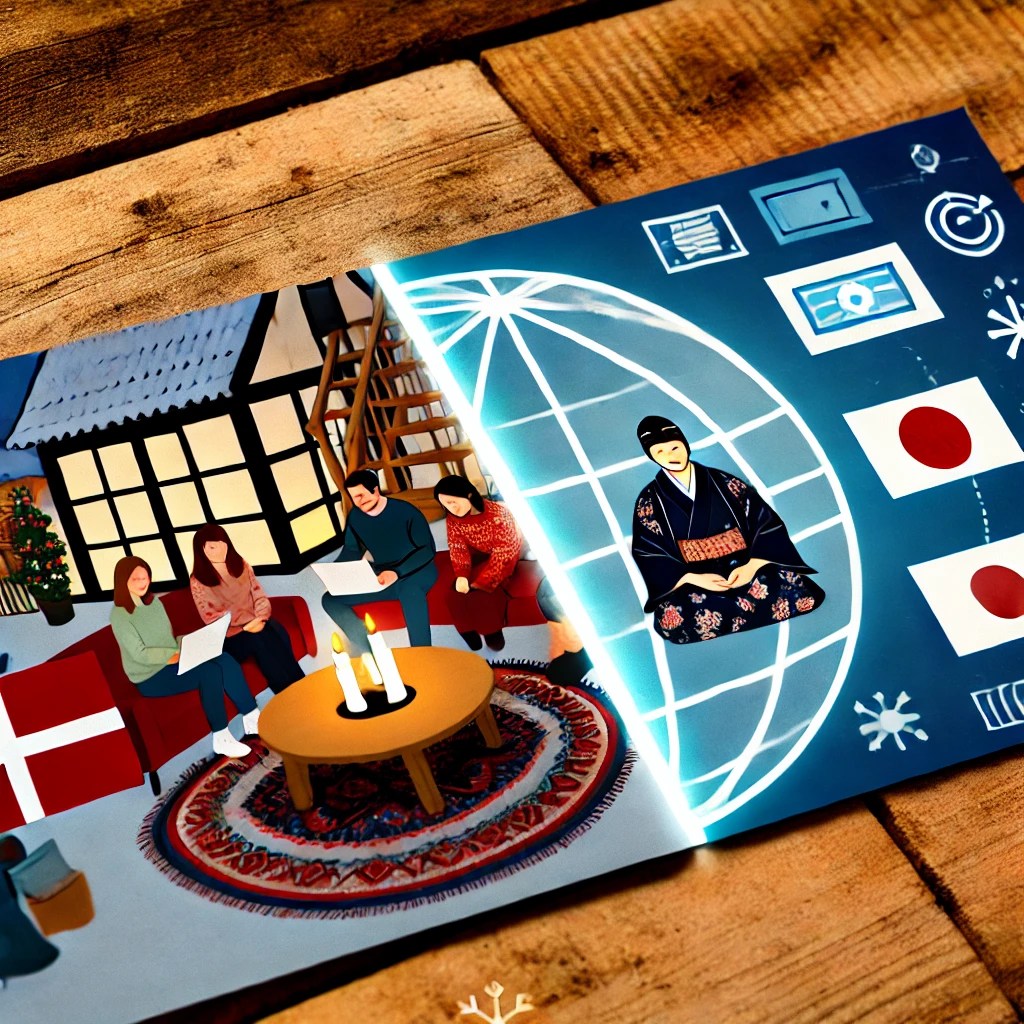
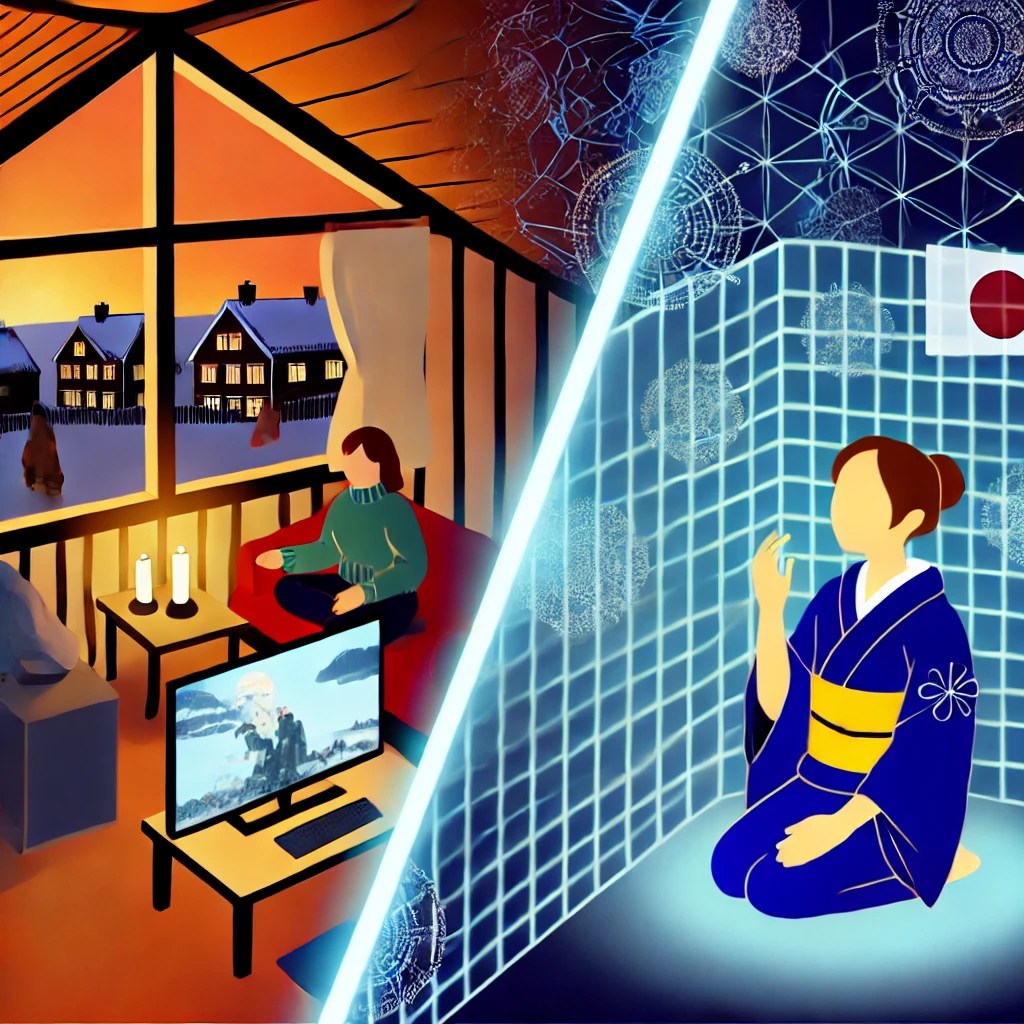
Virtual reality (VR) takes this one step further. Imagine virtually walking the streets of Paris or exploring the ancient ruins of Greece without ever leaving your home. VR tours are making that possible, allowing people to immerse themselves in new environments and cultures from the comfort of their couch. This isn’t just entertainment – it’s an eye-opening way to connect with people, places, and histories that once felt distant and foreign.
Global Collaboration Like Never Before
Technology has revolutionized the way we work. Teams from different countries can now collaborate on the same project seamlessly, thanks to tools like Zoom, Slack, and Google Docs. This global collaboration isn’t just reserved for tech giants and multinational corporations; small businesses, freelancers, and entrepreneurs are also tapping into international markets and resources. It’s no longer uncommon to work on a project with teammates you’ve never met in person, spread across several time zones.
Education, too, has become global. Online courses and platforms like Coursera and Khan Academy allow students from any corner of the world to access top-tier education. You could be living in a remote village in Africa, yet still have access to lectures from Harvard professors. This democratization of education is creating a global community of learners who share knowledge, resources, and skills, breaking down socioeconomic barriers in the process.
Challenges of a Hyper-Connected World

While technology has done wonders to bring people together, it also brings challenges. The same tools that connect us can also create isolation. Many people find themselves glued to their screens, developing virtual relationships while neglecting real-life connections. Social media, for instance, can offer a platform for people to stay connected, but it can also create a false sense of reality, leading to loneliness and even depression.
Misinformation is another significant issue in our digital world. With the power to share information instantly comes the risk of spreading false or misleading content just as quickly. Social media has the potential to unite us, but it can also amplify divisions when rumors and unverified claims go viral.
A Global Community of Solutions
Despite these challenges, technology has been a force for good, particularly when it comes to addressing global issues. Crowdfunding platforms like GoFundMe and Kickstarter have given rise to a global community of supporters, helping people fund projects, medical treatments, and creative endeavors. In 2020, during the COVID-19 pandemic, the world witnessed how technology helped mobilize resources, coordinate healthcare responses, and allow people to stay connected during times of isolation.

Moreover, movements like Black Lives Matter and climate change activism have gained global traction through technology. Hashtags, live streams, and online petitions have made it easier for people to unite under common causes, regardless of their location. Technology has given a voice to the voiceless and empowered marginalized communities by allowing their stories to reach a global audience.
Conclusion: Connected, Yet Evolving
Technology is undeniably bringing the world together in ways we couldn’t have imagined a few decades ago. We are more connected than ever before, sharing ideas, cultures, and knowledge across continents. Yet, with this connection comes responsibility – to use technology wisely, to foster real connections, and to be mindful of the challenges that arise in a hyper-connected world.
As we move forward in this digital age, the key will be to balance the incredible opportunities that technology offers with the human need for meaningful interaction and connection. After all, while we may be connected globally, true unity comes from understanding, empathy, and shared purpose. Technology is simply the tool that helps us get there.
 Summit Select
Leave a comment