Why Career Development Matters
Navigating the world of career development, Especially after graduation or when you’re starting your professional journey, can be challenging. Whether you’re in the U.S. or Canada, having the right tools and strategies can make a huge difference in landing your dream job and growing in your career. This article will provide you with practical advice on everything from resume writing to interview tips, to long-term career development strategies, giving you the confidence to excel.
Understanding Career Development: An Essential Process
Career development is not just about finding a job—it’s a lifelong process of managing learning, work, leisure, and transitions. For young professionals, especially those fresh out of school, understanding this process is crucial to making informed career choices and ensuring long-term success.
The Importance of a Strong Resume
Your resume is the first impression potential employers have of you. It’s your chance to showcase your skills, experience, and personality on paper. A well-crafted resume can set you apart from other candidates and increase your chances of landing an interview.
How to Write a Compelling Resume
When writing your resume, it’s essential to focus on clarity and impact. Here’s a step-by-step guide to help you create a standout resume:
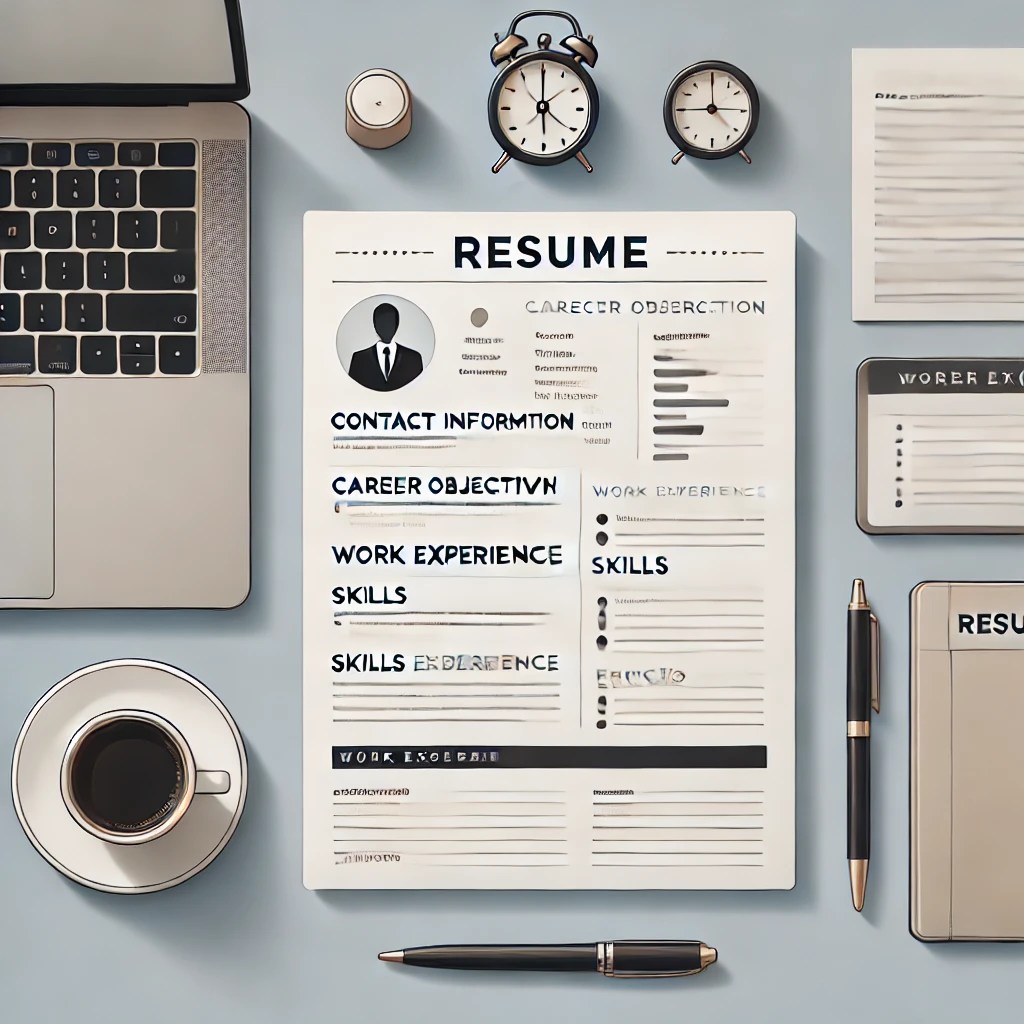
Contact Information: Include your name, phone number, email address, and LinkedIn profile.
Objective or Summary: Briefly state what you aim to achieve in your career and what makes you a strong candidate.
Work Experience: Highlight your key achievements and responsibilities in previous roles, focusing on measurable results.
Skills: List relevant skills, both technical and soft, that are tailored to the job you’re applying for.
Education: Include your highest level of education and any certifications or relevant courses.
Customizing Your Resume for the Job
One-size-fits-all resumes are a thing of the past. To stand out, you need to tailor your resume for each job application. Carefully read the job description, identify key skills and qualifications the employer is looking for, and make sure your resume reflects them. Use keywords from the job listing to increase your chances of passing through automated applicant tracking systems (ATS).

Crafting a Cover Letter That Stands Out
Though some may think cover letters are outdated, they are still a powerful tool in the job application process. A well-written cover letter can introduce your personality, explain your motivation, and highlight how your skills align with the job. Keep it short, direct, and personalized to the company and role.
Interview Tips for Success
Once you land an interview, preparation is key. Research the company, understand the role, and practice answering common interview questions. Confidence comes from preparation, so the more you practice, the better.
Types of Job Interviews
Interviews come in many forms:
Phone interviews: Often used as a first screening step.
Virtual interviews: Popular in the post-pandemic world, make sure your tech is working properly.
In-person interviews: Traditional face-to-face interviews still hold importance for many employers.
Mastering the STAR Method for Interviews
A powerful method for answering behavioral interview questions is the STAR method:
Situation: Describe a specific challenge or situation.
Task: Explain the task that needed to be accomplished.
Action: Describe the action you took to address the situation.
Result: Share the outcome or results of your actions.
Dressing for Success: Professional Attire
Whether it’s a virtual or in-person interview, dressing professionally is key. Your attire should reflect the company’s culture while still maintaining professionalism. Researching the company’s dress code beforehand is a good idea.
Body Language and Communication During Interviews
Non-verbal communication plays a big role in how you are perceived during an interview. Maintain good posture, make eye contact, and offer a firm handshake. Being mindful of your body language can help you convey confidence and professionalism.

Post-Interview Etiquette: What to Do After the Interview
Following up with a thank-you email after the interview shows professionalism and appreciation. This small gesture can leave a lasting impression. Additionally, reflect on the interview, learn from it, and prepare even better for the next one.
Career Development Strategies for Long-Term Growth
Career development doesn’t stop after landing your first job. It’s important to continue learning and growing within your field. Whether it’s through additional education, certifications, or taking on new challenges at work, always be proactive about your career development.
Leveraging LinkedIn for Career Success
LinkedIn is a powerful platform for building your professional network. Make sure your profile is optimized with a professional headshot, a compelling summary, and up-to-date experience. Engage with industry-related content and connect with professionals in your field to open doors for future opportunities.
Conclusion: Navigating Your Career Path with Confidence
Starting or advancing your career can be overwhelming, but with the right strategies, you can make informed decisions and grow successfully. From crafting the perfect resume to acing interviews and developing long-term career strategies, these tips will set you on the path to success. Remember, career development is a marathon, not a sprint, and staying proactive will ensure your continuous growth.
 Summit Select
Leave a comment