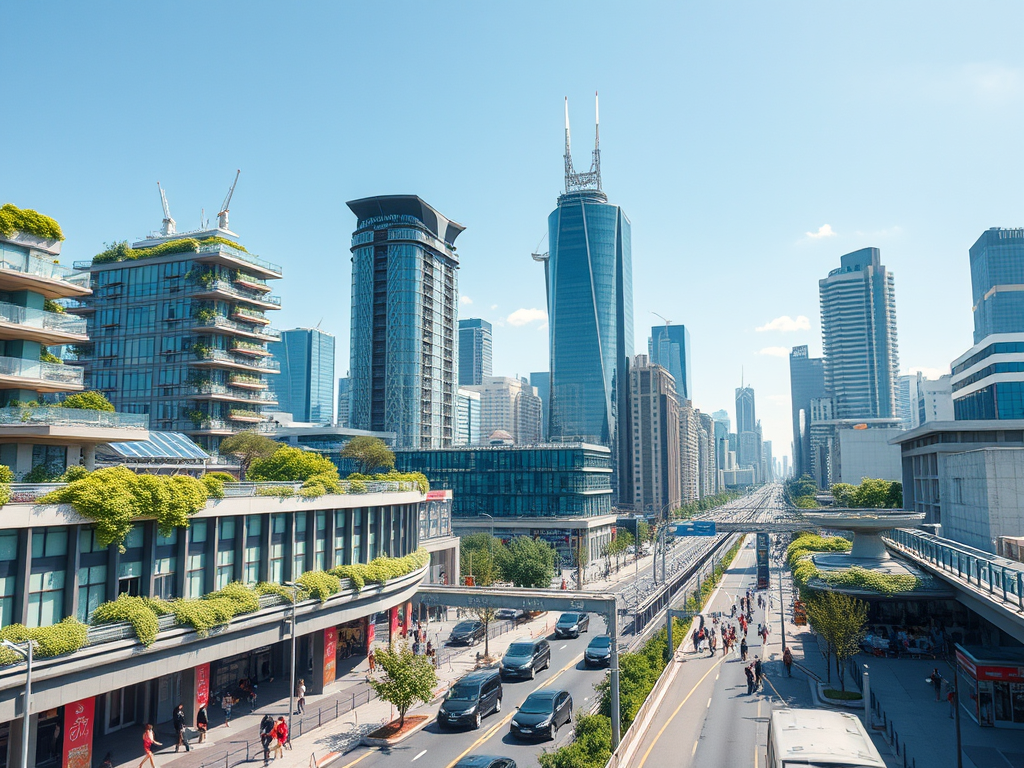
The term “smart city” is often mentioned when talking about urban development and future technology, but what exactly does it mean? A smart city refers to a city that uses cutting-edge technology to innovatively transform infrastructure and services, making the lives of its citizens more convenient and efficient. It’s not just about modernizing the city, but about rethinking how people can live more comfortably and safely.
The Foundation of a Smart City: A New Kind of City Built by Technology
The most significant feature of a smart city is that its operations rely on advanced technologies like artificial intelligence (AI), the Internet of Things (IoT), and big data. All systems in the city are interconnected, and real-time data analysis provides optimal services. This connectivity allows the city to function faster and more efficiently.
For example, thanks to the Internet of Things, a smart city is filled with sensors. Sensors on the streets measure traffic flow and automatically adjust traffic signals in real-time or notify citizens of the most congested roads at certain times of the day. This helps improve the overall flow of traffic, reducing stress for city dwellers.
Key Elements of a Smart City
How does a smart city specifically impact people’s daily lives? Let’s take a closer look.
1. Smart Traffic Systems
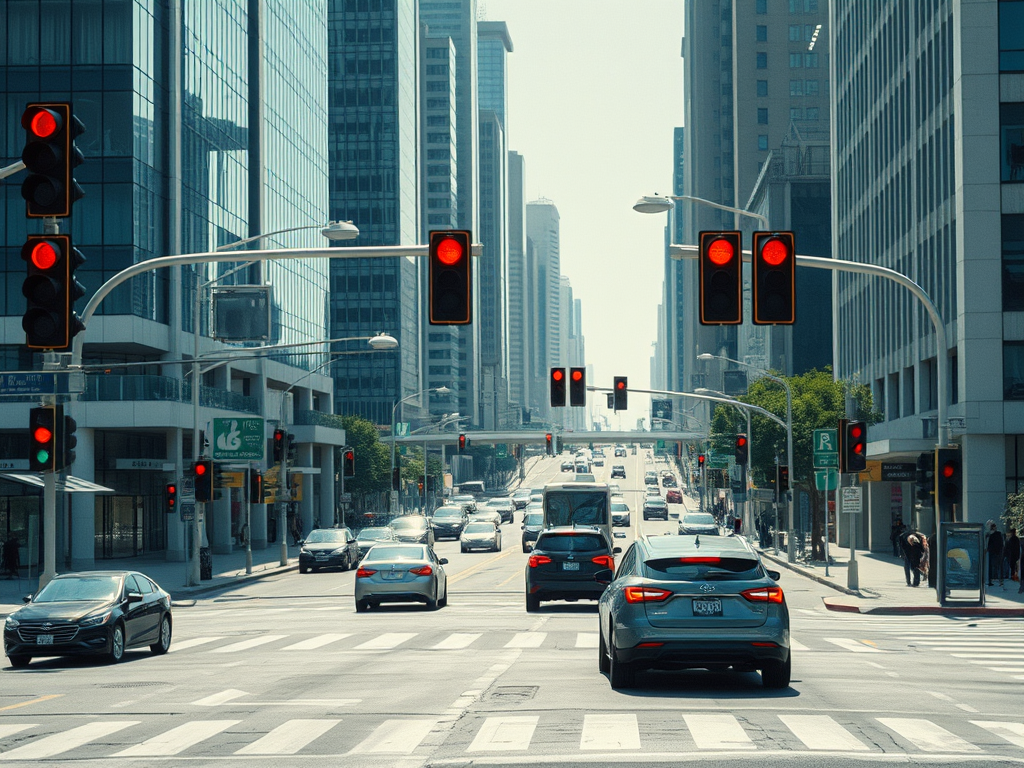
Traditional traffic systems require manual control and human predictions of road conditions. In a smart city, smart traffic systems manage everything automatically. Sensors and cameras analyze road traffic, and AI adjusts traffic lights to reduce congestion. Looking ahead, when autonomous vehicles become common, communication between cars will drastically reduce the risk of accidents.
2. Smart Energy Management
A smart city is also an environmentally conscious city. Energy is used efficiently to minimize waste. For instance, smart power grids analyze electricity usage in real-time and automatically adjust the distribution of energy during peak hours. In households, smart appliances help save energy by switching to standby mode when no one is home, or adjusting heating and cooling based on the weather to conserve energy.
3. Environmentally Friendly City
Another key focus of a smart city is environmental protection. The entire city is designed to prioritize energy conservation and environmental sustainability. For example, smart trash bins measure the amount of waste and automatically summon collection vehicles when full. Air quality sensors detect pollution levels and can send alerts advising the use of public transportation or encouraging indoor activities when pollution is high.
4. Security and Safety
Security is also a major aspect of a smart city. AI surveillance systems installed throughout the city can detect situations in real time and predict potential risks. These systems can identify locations where crimes are likely to occur and notify the police or help responders quickly react in emergencies. For example, if a suspicious vehicle lingers in a deserted area, cameras can detect this and, if necessary, alert law enforcement immediately.
How a Smart City Will Change Our Daily Lives
Living in a smart city will bring significant changes to our everyday routines. For example, before leaving the house, you can check real-time traffic conditions on your smartphone, reserve an available parking spot, or call an autonomous taxi for a convenient commute. Upon returning home, you can control the lights and heating remotely through a smart home system. Additionally, all city services will be tailored to individuals, providing information more quickly and accurately thanks to real-time data analysis.
For instance, on hot days, smart cities might automatically activate misting systems to cool down public spaces and adjust humidity levels through smart environmental management.
Advantages and Challenges of a Smart City
While smart cities offer numerous advantages, there are also challenges to address. The increased reliance on technology raises concerns about data privacy and cybersecurity. Additionally, to ensure all citizens can use smart technologies, digital education will be necessary.
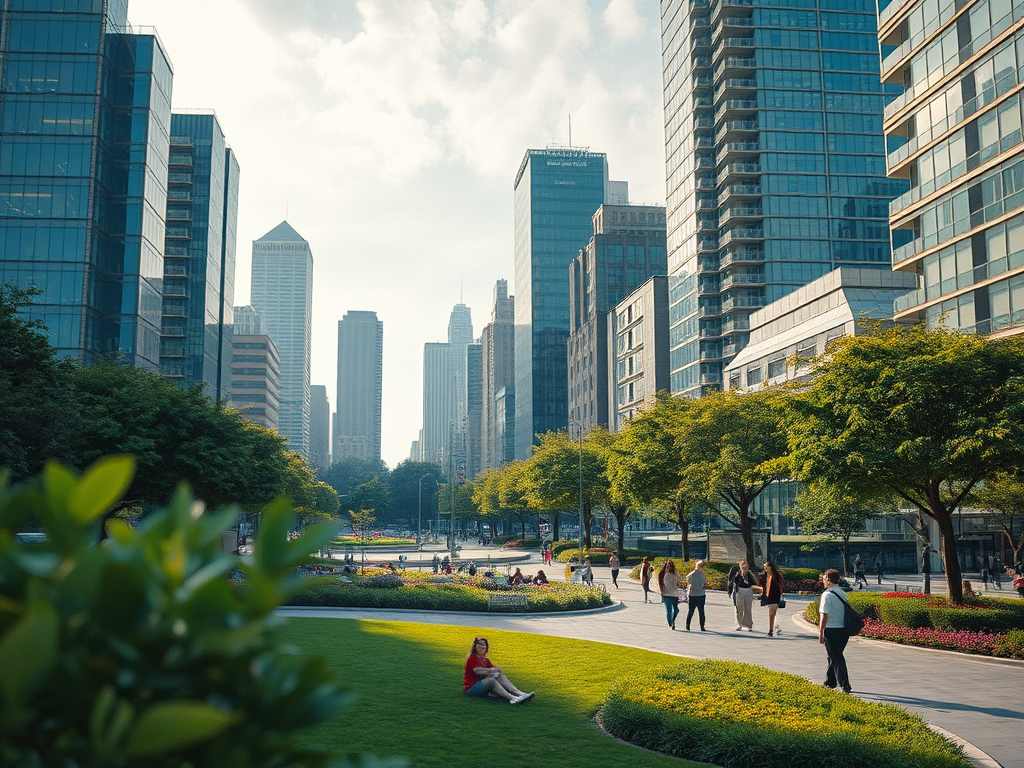
However, by overcoming these challenges, we can build a city that is sustainable, efficient, and safe for everyone.
Conclusion
A smart city is not just a technological advancement but a step towards building a human-centered future city. In such a city, people will enjoy more comfort, safety, and environmentally friendly living. Technology becomes a tool that helps improve human life, transforming our daily routines in a positive way.
The changes brought about by smart cities are only just beginning. As more innovations and developments arise, our cities will become even smarter and more livable. Isn’t it exciting to think about how smart cities will continue to evolve? What kind of changes would you like to experience in a smart city?
 Summit Select
Leave a comment