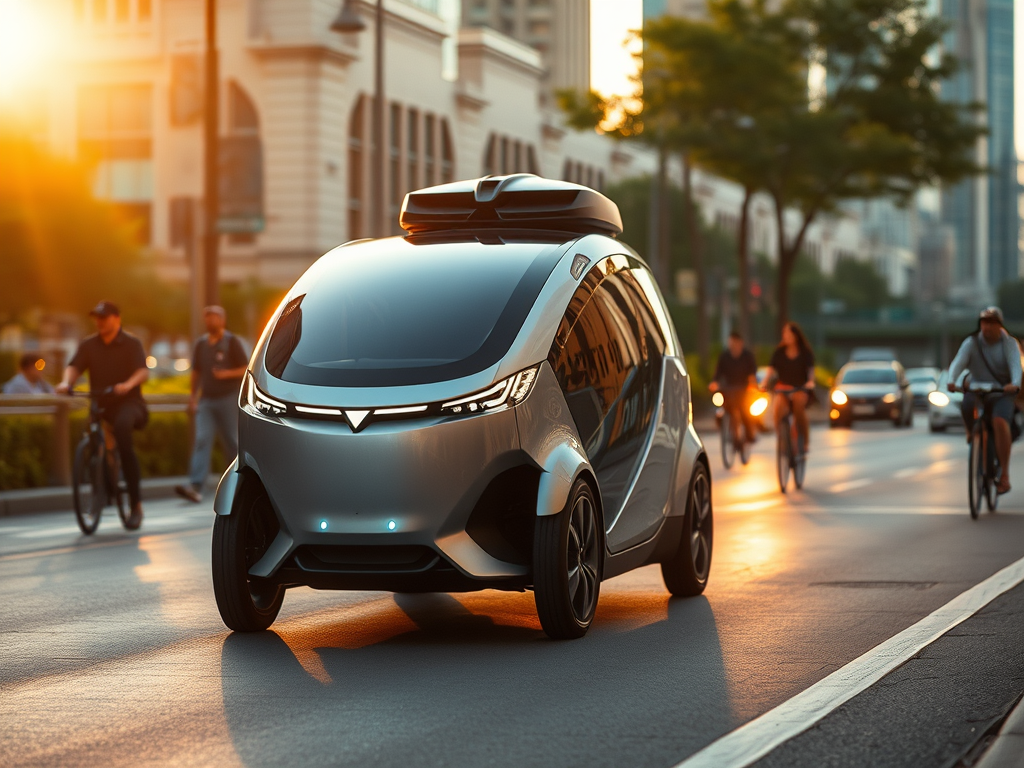
Imagine a world where traffic jams are a thing of the past, where getting from point A to point B is as simple as stepping into a car and letting it take you where you need to go—no driver necessary. The concept of autonomous vehicles, or self-driving cars, is no longer a distant science fiction dream but a fast-approaching reality. Combined with innovations in public transportation, we are on the brink of a transportation revolution. But how will this change the way we live, work, and travel? Let’s take a deep dive into the fascinating and transformative future of autonomous vehicles and public transportation.
What Exactly is an Autonomous Vehicle?
To begin with, let’s clarify what an autonomous vehicle (AV) is. An autonomous vehicle is a car, bus, or any mode of transport that is capable of sensing its environment and navigating without human input. These vehicles rely on AI systems, cameras, radar, lidar sensors, and incredibly advanced software to drive safely. Companies like Tesla, Waymo, and Uber have been investing heavily in developing fully autonomous vehicles, and while we’re not quite there yet, we’re already seeing impressive progress.
How Autonomous Vehicles Will Change Everyday Life
Think about your daily commute. How much time do you spend behind the wheel, navigating through traffic, finding parking, and worrying about safety? Now imagine all of that being taken care of for you. Autonomous vehicles promise to eliminate many of the headaches we currently associate with driving.
1. No More Stressful Commutes

One of the most obvious benefits of autonomous vehicles is a more relaxing commute. Since you won’t need to drive, you can spend your time reading, working, or even napping during your trip. AVs will be able to calculate the fastest and most efficient routes based on real-time traffic data, ensuring fewer delays and smoother rides. For people in densely populated urban areas, where commutes can take hours, this could lead to a significant improvement in quality of life.
2. Increased Safety on the Roads
Did you know that over 90% of car accidents are caused by human error? Autonomous vehicles have the potential to dramatically reduce accidents because they don’t get distracted, tired, or intoxicated. They follow the rules of the road flawlessly, maintain safe distances from other vehicles, and can react much faster than a human driver in emergencies. This could lead to safer roads and potentially save millions of lives over time.
3. A World Without Parking Hassles
How many times have you driven around endlessly looking for a parking spot? Autonomous vehicles can drop passengers off at their destination and then park themselves in designated areas. They could even return to pick you up when needed, making parking issues a thing of the past. For urban spaces, this could mean fewer parking lots and garages, freeing up valuable land for parks, pedestrian zones, or other community spaces.
The Integration of Autonomous Vehicles and Public Transportation
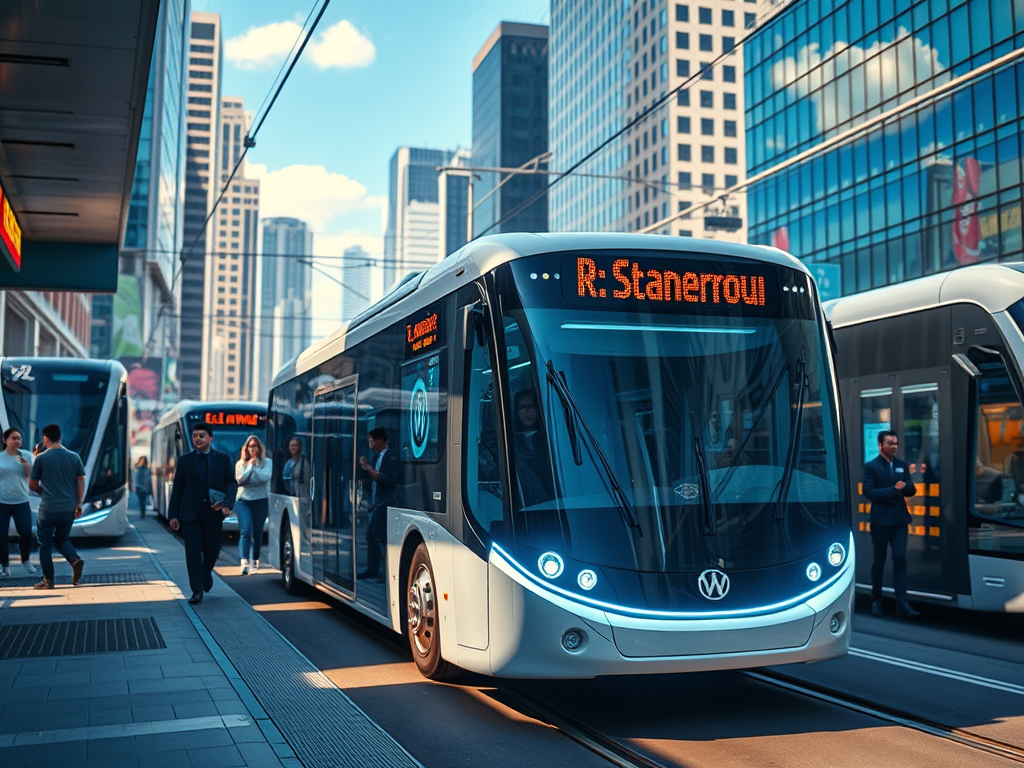
While self-driving cars get a lot of attention, the future of public transportation is equally exciting. Autonomous buses, trains, and even shuttles will work hand in hand with AVs to create a seamless transportation ecosystem.
1. Autonomous Buses and Shuttles
Autonomous buses and shuttles are already being tested in several cities around the world. These vehicles will be able to transport people safely and efficiently along set routes, reducing the need for human drivers. Since these systems are electric and rely on clean energy, they’re also environmentally friendly.
What’s even more exciting is the idea of on-demand shuttles, which could operate like an Uber but without the need for a driver. Imagine needing a ride and simply summoning an autonomous shuttle from your smartphone. It would pick you up, drop you off at your destination, and then head off to its next passenger, creating an efficient and flexible form of public transport.
2. Self-Driving Trains: Faster and More Efficient
High-speed trains are already a marvel of modern transportation, but with autonomous technology, they could become even more efficient. AI systems could help optimize routes, manage train speeds, and improve scheduling to reduce delays. This could significantly enhance long-distance travel, making it faster and more reliable.
3. Autonomous Public Transportation in Smart Cities
In smart cities, autonomous public transportation could seamlessly connect with other services. For example, as soon as you leave your office, your phone could alert the nearest autonomous bus to pick you up. Or, if you’re arriving at a train station, an autonomous taxi could be waiting to take you the rest of the way home. These systems would be designed to communicate with each other, ensuring that waiting times are minimized and that transportation is always available when and where you need it.
The Environmental Benefits of Autonomous Public Transportation
Another huge advantage of autonomous vehicles and public transportation systems is their potential to help tackle climate change. Since most of these vehicles are likely to be electric, powered by renewable energy sources, they will significantly reduce the need for fossil fuels. Cities could become greener and more sustainable as emissions drop.
In addition, autonomous systems can optimize routes and driving patterns to minimize energy consumption. For instance, by avoiding traffic congestion and maintaining efficient speeds, AVs will use less energy compared to human-driven vehicles. Combined with other clean energy initiatives, autonomous public transportation could play a major role in creating eco-friendly urban spaces.
Challenges Ahead: What’s Holding Autonomous Vehicles Back?
While the vision of autonomous vehicles and public transportation sounds amazing, there are still several challenges to overcome before they become a widespread reality.
1. Legal and Regulatory Issues
Governments around the world are still grappling with how to regulate autonomous vehicles. Who is responsible if an AV is involved in an accident? How should roads be redesigned to accommodate self-driving cars? These are just a few of the many questions that need to be answered before autonomous vehicles can become mainstream.
2. Ethical Dilemmas
There are also ethical issues to consider. How should an autonomous vehicle prioritize safety in the event of an accident? Should it protect its passengers at all costs, or should it aim to minimize harm to others? These are complex problems that engineers and lawmakers are working to solve.
3. Cybersecurity
Autonomous vehicles and public transportation systems are controlled by vast networks of software and data, making them potential targets for cyberattacks. Ensuring the security and privacy of these systems is a critical challenge that must be addressed as we move towards a future where more and more vehicles are connected to the internet.
The Road Ahead: What Will the Future Look Like?
Despite the challenges, the future of autonomous vehicles and public transportation is incredibly promising. As technology continues to evolve, we’ll likely see a world where:
- Driverless cars, buses, and trains provide a seamless, stress-free transportation experience.
- Smart cities connect various transportation systems, ensuring that getting from place to place is quick, safe, and energy-efficient.
- Public transportation becomes more accessible to people in rural areas or those with disabilities, thanks to flexible autonomous shuttles and vehicles.
While we may not yet have flying cars or teleportation devices, the combination of autonomous vehicles and advanced public transportation systems will undoubtedly revolutionize the way we move in the near future. The potential is vast, and the changes to our daily lives could be more profound than we can currently imagine.
Autonomous transportation isn’t just about getting from one place to another—it’s about creating a more sustainable, efficient, and safer world. And that’s a future worth waiting for.
So, are you ready for the driverless revolution? What aspect of autonomous vehicles and public transportation are you most excited about? Let me know in the comments!
 Summit Select
Leave a comment