Introduction
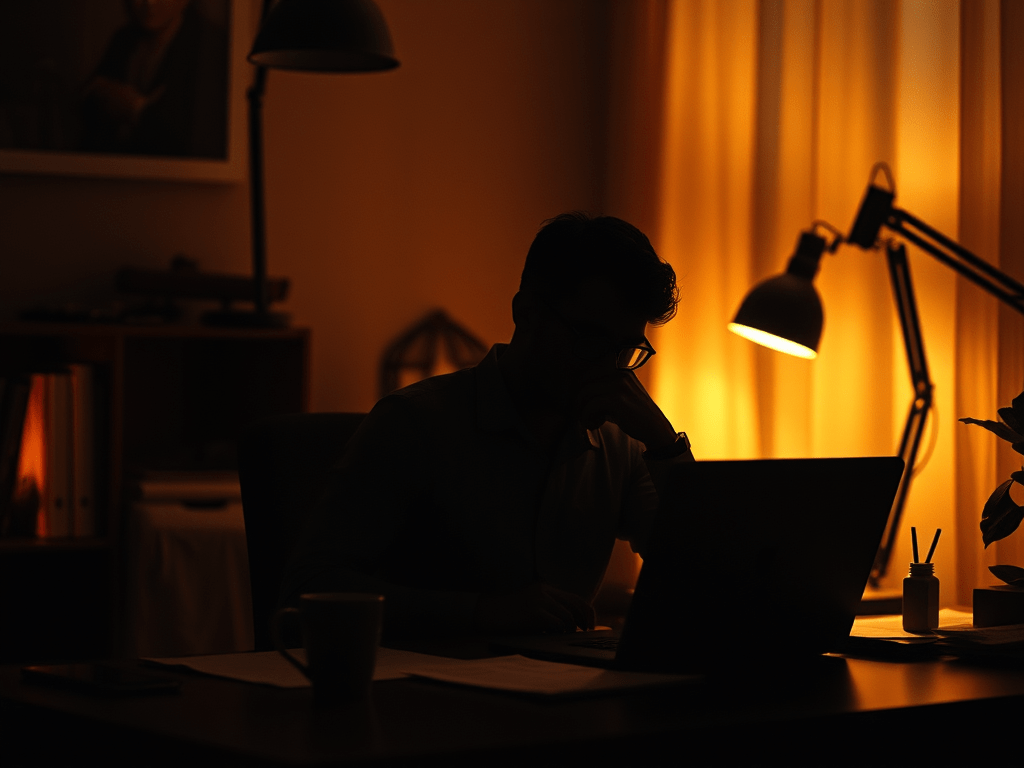
While the early bird might get the worm, night owls are often the ones who innovate and create while the rest of the world sleeps. There’s a certain magic to the quiet hours of the night, where the silence gives way to bursts of creativity, innovation, and deep reflection. This article dives into the fascinating lives of night owls—those who thrive when the moon is high—and explores how their unique lifestyle contributes to shaping our world in profound and often overlooked ways.
The Biology of Night Owls
Why Are Some People Wired for the Night?
Not everyone is programmed to thrive in the morning. In fact, a growing body of research shows that some individuals naturally have a later internal clock, often referred to as their chronotype. This genetic predisposition makes night owls feel more alert and productive during the evening hours. It’s not just a preference; it’s biology.
The Science Behind Night Owls’ Higher Productivity
Studies have indicated that night owls may have unique cognitive advantages. Research from the University of Madrid found that night owls scored higher on tests measuring reasoning and creative problem-solving. While early birds may excel in structured environments, night owls often shine in areas requiring originality and out-of-the-box thinking.
Historical Night Owls
Winston Churchill: A War Leader by Night
Winston Churchill, the famed British Prime Minister during World War II, was known for his unconventional work schedule. He believed in working deep into the night, often dictating speeches and planning strategies well past midnight. His late-night habits did not hinder his effectiveness—instead, they allowed him to manage one of the greatest crises of modern history.
Nikola Tesla: A Nocturnal Innovator
Inventor and engineer Nikola Tesla is another historical figure who thrived under the night’s influence. Tesla often worked for 20 hours straight, claiming that his mind functioned best after dusk. His groundbreaking inventions, including the alternating current (AC) electrical system, were born during these nocturnal marathons.
Night Owls in Tech and Innovation
Late-Night Ideas Fueling the Tech Revolution
In today’s tech-driven world, many successful entrepreneurs have embraced flexible schedules, understanding that creativity doesn’t always align with traditional 9-to-5 hours. Some of the most revolutionary ideas in technology have been conceived during late-night brainstorming sessions.

Tech Giants Who Embrace the Night Owl Lifestyle
Take Elon Musk, for example, the CEO of Tesla and SpaceX, who has spoken about working long hours deep into the night. Musk, like many others in Silicon Valley, finds that the stillness of night creates the perfect environment for problem-solving and ideation.
The Cultural Impact of Staying Up Late
The Influence on Popular Culture
The night owl lifestyle has made its mark on popular culture. From artists, writers, and musicians who burn the midnight oil to late-night TV hosts who entertain millions, the culture of staying up late has permeated our entertainment landscape.
Writers and Musicians Who Create After Dark
Many creative minds have found that their best work comes during the night. Writers like Franz Kafka and musicians like Prince were known for their nocturnal habits, finding the stillness of the night perfect for crafting their masterpieces.
Social Media and the Digital Age of Night Owls
In the age of the internet, late-night productivity has become a phenomenon of its own. Night owls, particularly content creators, are thriving on platforms like YouTube and Instagram, where many late-night creators upload videos, blogs, and podcasts during hours when inspiration strikes. This has contributed to the rise of 24/7 media consumption, making the boundary between night and day blurrier than ever.
Night Owls and Modern Workplaces
Flexible Work Hours: A Key to Productivity
As society becomes more understanding of different work patterns, businesses are increasingly allowing flexible hours to accommodate employees’ peak productivity times. Tech companies, in particular, have embraced this shift, allowing employees to work when they feel most efficient—whether that’s at 6 a.m. or 11 p.m.
The Role of Remote Work in Supporting Night Owls
Remote work has also played a significant role in empowering night owls. Without the need to adhere to traditional office hours, individuals who work best at night have been able to thrive and contribute more effectively to their companies.
How Night Owls Contribute to Innovation
The Role of Creativity in Shaping the Future
Night owls have played a significant role in shaping industries that rely heavily on creative thought, such as tech, media, and the arts. Whether it’s the latest startup disrupting an industry or an artist releasing a chart-topping song, the ideas that come to fruition during the night often push society forward in unexpected ways.
Collaboration Between Early Birds and Night Owls
Interestingly, many companies are now embracing the synergy between early birds and night owls. By fostering a culture that respects diverse work patterns, businesses can harness the strengths of both groups to drive innovation and growth.

The Challenges Night Owls Face
Social and Professional Stigma
Despite their contributions, night owls often face criticism and misunderstanding from a world designed for early risers. From school start times to traditional work schedules, society often values early birds, leaving night owls to feel out of sync.
Health Implications of a Night Owl Lifestyle
Research suggests that night owls are more prone to health issues such as sleep deprivation, as they often have to adapt to early morning responsibilities. Balancing their natural rhythms with societal expectations can be a challenge, though more organizations are beginning to recognize and address these needs.
Why We Need to Embrace Different Chronotypes
A More Inclusive Society
By embracing different chronotypes—whether early birds, night owls, or those in between—we can create a more inclusive, dynamic, and creative society. Productivity isn’t tied to the clock, and recognizing this could lead to a more innovative and fulfilled world.
Conclusion
Night owls have shaped our world in quiet yet profound ways. From the silent hours of burning the midnight oil, innovations and art forms emerge that daylight thinkers may never dream of. By embracing different circadian rhythms, we can unlock the full potential of human creativity and create a world where everyone thrives, no matter what time of day—or night—they work best.
 Summit Select
Leave a comment