
- Introduction: Living in an Era of Change
We are witnessing profound changes as artificial intelligence (AI) begins to reshape various aspects of our daily lives. From voice assistants on our smartphones to self-driving cars, AI is no longer a distant, futuristic concept—it’s here, now, and it’s transforming how we live and work.
But with this transformation comes a question that lingers in the minds of many: Will AI replace jobs?
This question sparks both fear and excitement. Fear, because change can be intimidating, but excitement because new opportunities await. In this rapidly evolving society, it’s clear that we must not only adapt to change but also embrace it. The real challenge is preparing ourselves for the shifts AI will inevitably bring.
- What is Artificial Intelligence?
Basic Concepts of AI
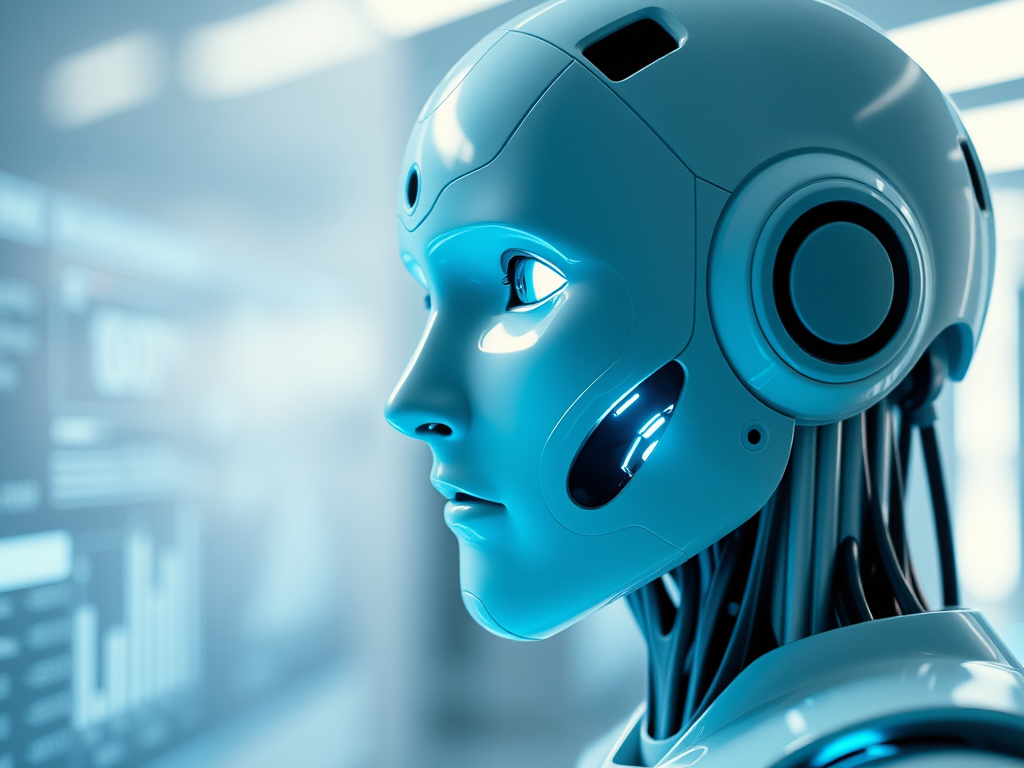
Artificial intelligence refers to the technology that allows machines and computers to mimic human intelligence and behavior. This includes learning from data, solving problems, and making decisions that would traditionally require human intervention.
The Current Development of AI
Today, AI has progressed far beyond basic calculations. It is capable of analyzing complex data, recognizing patterns, and making predictions, which has allowed it to revolutionize industries like healthcare, finance, and even education.
- The Benefits and Potential of AI
Increased Efficiency and Automation
One of the most notable benefits of AI is its ability to maximize efficiency. By automating repetitive tasks, AI enables businesses to operate more quickly and accurately, reducing human error and saving time.
AI Solving Complex Problems
AI is not just about doing things faster—it’s about solving problems humans struggle with. In healthcare, AI helps with early diagnosis by analyzing vast amounts of medical data. In finance, it can predict market trends. AI’s potential to change how we tackle complex issues is limitless.
- The Possibility of AI Replacing Jobs in Certain Sectors
Efficiency of AI in Repetitive Tasks
Some jobs involve repetitive and rule-based tasks, and these are the roles AI can most easily replace. For instance, in manufacturing, robots are already assembling products faster and more precisely than humans ever could.
AI in Manufacturing
In the manufacturing industry, AI and automation systems have led to massive productivity improvements. Machines can work 24/7, requiring little to no rest, and they produce goods with incredible accuracy and speed.
Changes in the Service Industry
The service sector is also seeing changes. AI chatbots handle customer service inquiries, and their 24/7 availability is a major advantage. Yet, for complex or emotional issues, humans are still essential to provide personal, empathetic support.
- The Creation of New Jobs
Growth of IT and Data-Related Jobs
As AI continues to advance, new job opportunities are emerging.
Jobs That Require Collaboration Between AI and Humans
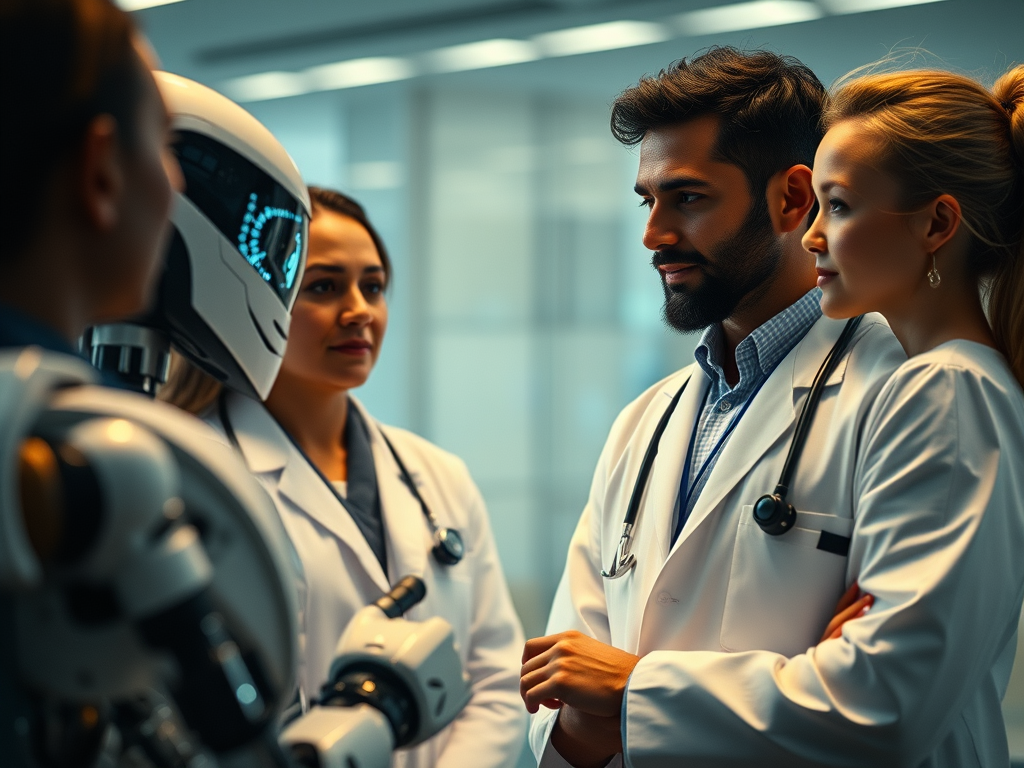
Not all jobs can be done by AI alone. Many tasks require a partnership between AI and humans. For instance, AI can assist doctors with diagnostics, but the final decision still rests with the human physician. Collaboration between humans and AI will become increasingly important.
- The Need for Education and Training in Line with Technological Advancements
The Importance of Education in Responding to Change
As technology evolves, so must our education systems. Traditional education alone may not be enough to prepare workers for the AI-driven future. Instead, ongoing learning and upskilling will be crucial to remain competitive in the job market.
The Necessity of Lifelong Learning
In an era where new technologies emerge constantly, lifelong learning is no longer optional—it’s essential. Those who continue to acquire new skills and adapt to technological advancements will have a significant advantage in their careers.
- Opportunities and Challenges Presented by Technological Advancements
Personal Growth and Adaptation
Technological change can be overwhelming, but it also offers a chance for personal growth. By embracing new skills and technologies, individuals can unlock new career opportunities and achieve personal advancement.
The Transformation of Social Structures and the Path to Coexistence
On a societal level, the rapid pace of change will require new social structures and policies to support individuals who may struggle to keep up. Ensuring that AI and technology benefit everyone, not just a select few, will be key to creating a more equitable future.
- What AI Can’t Replace
Emotions, Creativity, and Humanity
No matter how advanced AI becomes, it will never fully replicate the emotions, creativity, and empathy that make us human. Professions that rely on these uniquely human traits—such as the arts, counseling, and leadership—will remain deeply reliant on human input.

Human-Centric Jobs and Technological Development
As AI takes over certain technical tasks, it will free up humans to focus on more creative and emotional roles. The future of work may involve fostering innovation and improving well-being, areas where AI is less capable than the human mind.
- Conclusion: Moving Toward the Future with Technology
The possibility that AI will replace jobs is real, but so is the potential for it to create entirely new industries and roles. The key is preparing ourselves for these changes by embracing education, training, and collaboration with AI technologies. As long as we continue to adapt, the future can be one where technology enhances our lives and work rather than replaces them. The future is not just about AI; it’s about how we, as humans, will choose to use AI to shape a better tomorrow.
 Summit Select
Leave a comment