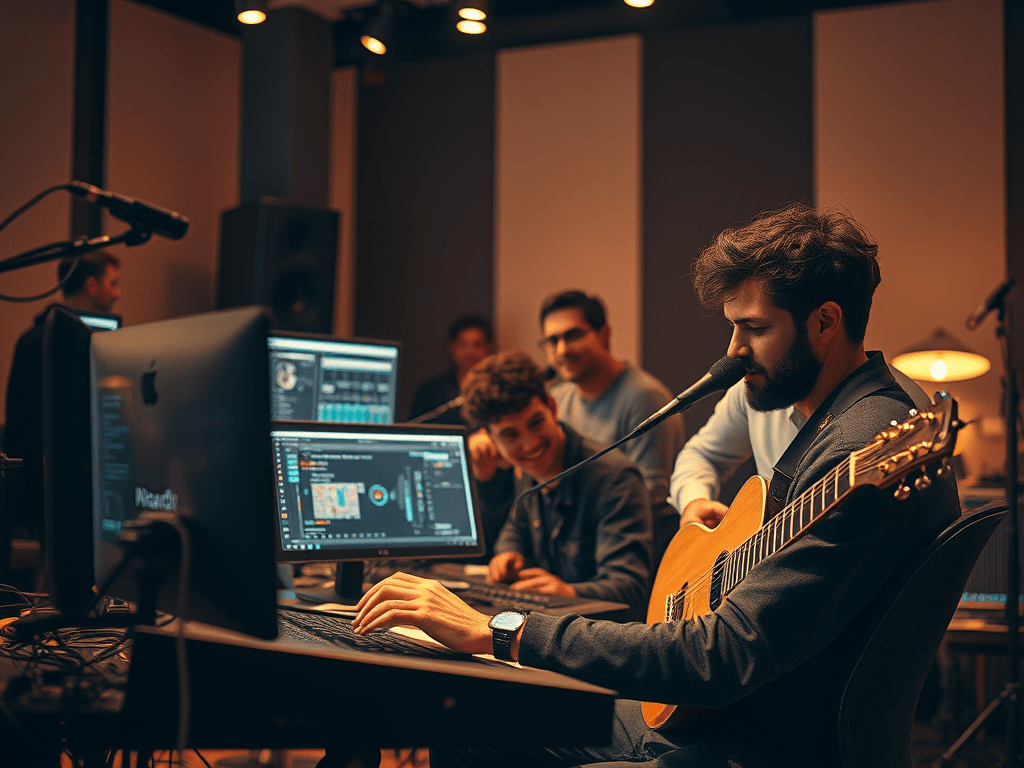
The fusion of music and AI has become one of the most notable trends in the music industry today. Where creativity was once the most critical element in music creation, AI is now ushering in a new paradigm by entering the process. AI is already being utilized in various areas, including composition, arrangement, sound design, and live performances, enhancing efficiency and serving as a tool that provides new inspiration to artists.
In the early stages of AI music production, its primary use was generating simple melodies or beats, but recently, AI’s role has expanded to more complex tasks. AI can analyze vast amounts of music data and automatically create music that aligns with specific styles or genres. For example, models based on OpenAI’s GPT-3 can generate music from text, allowing users to input emotional or thematic cues, and the AI can then propose various melodies and chord progressions. This technology can be beneficial to creators at all levels, from beginners to professional musicians.
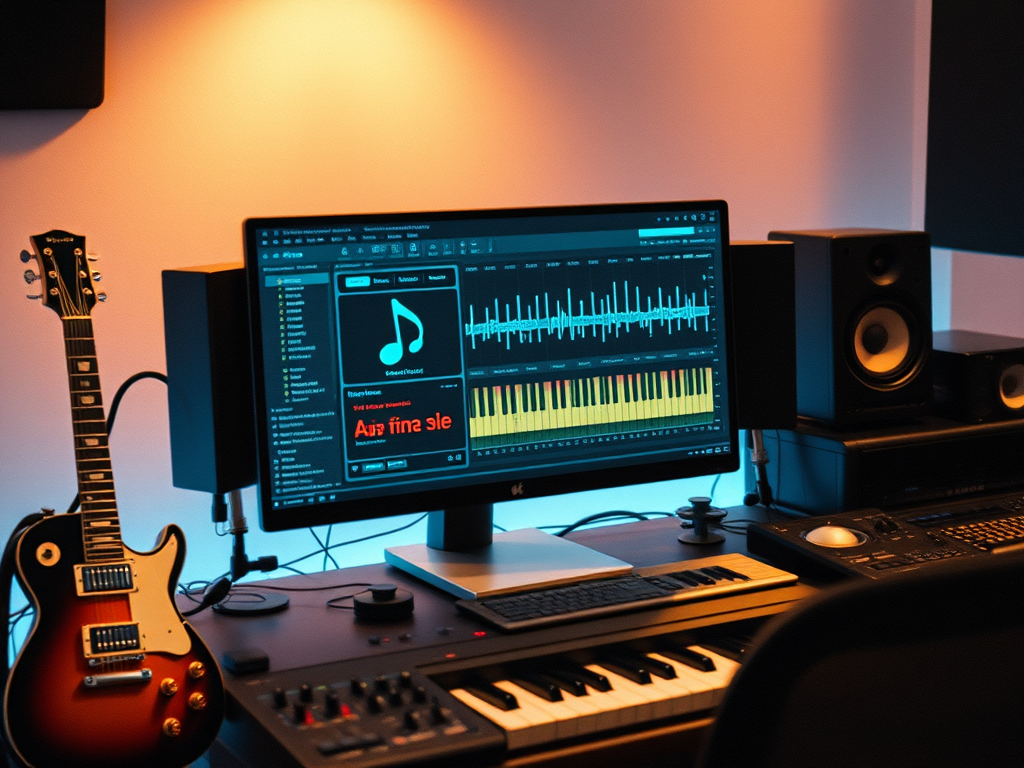
Additionally, AI is helpful in reinterpreting or arranging existing music. For instance, AI can analyze The Beatles’ music and recreate it in a new style, or it can transform classical music into a modern sound while preserving its original form. This is possible because AI extracts patterns from existing databases and uses them to suggest new ideas. More and more artists are collaborating with AI, including musicians like Grimes and Holly Herndon, who work with AI to produce unique soundscapes. They don’t just see AI as a tool but treat it as a creative partner, exploring new musical possibilities.
AI’s impact on the music industry extends beyond just the production stage. It is also vital in music recommendation algorithms, where it analyzes listeners’ preferences and provides customized playlists. This advancement promotes the growth of music streaming services, offering artists more exposure opportunities while delivering more personalized experiences to listeners. The growth of AI-based recommendation systems on platforms like Spotify and Apple Music is largely due to this technological progress.
However, the rise of AI-generated music does come with its share of controversies. One concern is that the role of human creativity in music creation may be increasingly diminished. While the question of whether AI can fully replace creative work remains under debate, many experts agree that AI cannot entirely replace human creativity, but it can complement and expand the creative process. Another fascinating topic is whether AI-generated music can truly be called “art.” In this process, copyright and ethical issues are also potential challenges.
In the future, the combination of AI and music is expected to progress even more rapidly. AI is likely to evolve beyond its supportive role and become a full-fledged creative partner, especially in maximizing the efficiency of data-driven music production.
 Summit Select
Leave a comment