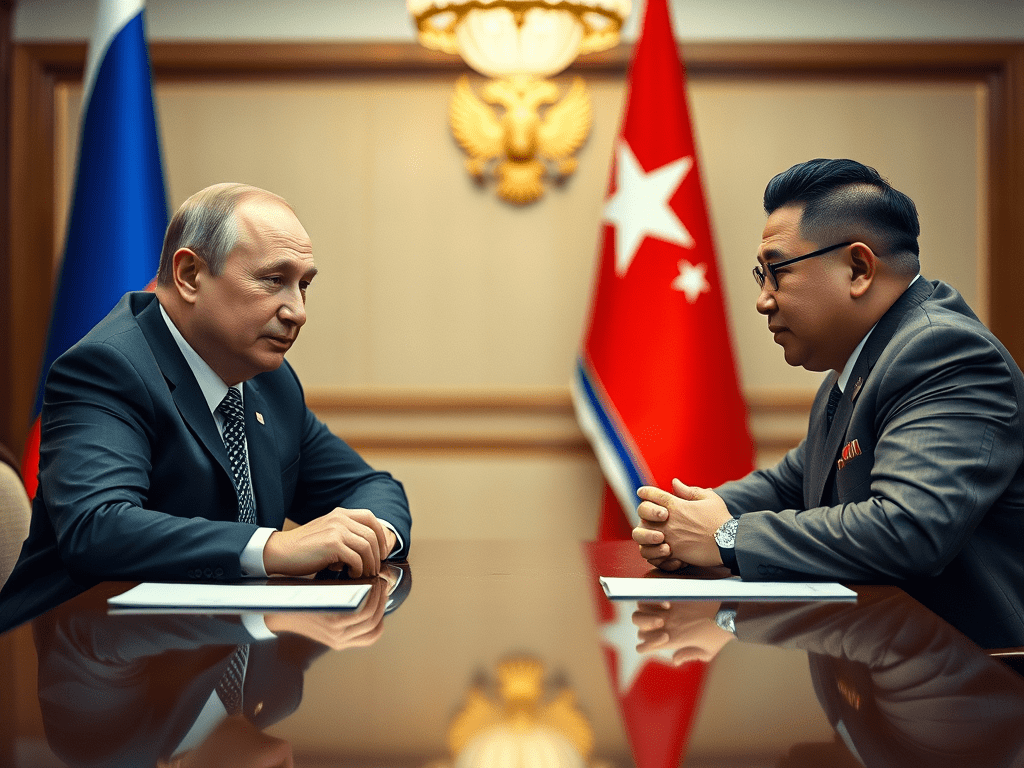
North Korea and Russia Strengthen Ties Amid Ukraine Conflict: What It Means for the World
In recent months, North Korea and Russia have significantly deepened their relationship, a move largely driven by the ongoing war in Ukraine and the heavy international sanctions both nations face. This closer cooperation is raising concerns globally, particularly regarding military and economic developments that could shift the balance of power in the region.
Strengthening Military Cooperation
One of the most notable aspects of this renewed partnership is the growing military cooperation between the two countries. North Korea has reportedly been supplying Russia with ammunition and missiles, which Russia has been using to sustain its military efforts in Ukraine. In return, Russia is providing North Korea with advanced military technology, potentially boosting North Korea’s defense capabilities, including its missile and nuclear programs.
This exchange of military resources is seen as a key factor in solidifying a military alliance between the two nations, raising alarm among Western countries and neighboring nations like South Korea and Japan.
Economic Support from Russia
In addition to military cooperation, Russia is offering crucial economic support to North Korea. Russia is supplying food and energy resources, which are helping North Korea stabilize its economy. This support is particularly important given the harsh international sanctions imposed on North Korea, which have exacerbated the country’s economic challenges.
By providing economic aid, Russia not only strengthens its strategic relationship with North Korea but also helps the regime mitigate the impact of sanctions, allowing it to maintain internal stability.
International Community’s Reaction
The growing alliance between North Korea and Russia is causing significant concern in the international community, particularly among the United States and its allies in the West. The primary worry is that North Korea may use Russian military technology to further develop its nuclear and missile programs, which could escalate tensions on the Korean Peninsula and pose a greater threat to global security.
Additionally, there are fears that this partnership could undermine the effectiveness of international sanctions, making it more difficult to exert diplomatic pressure on North Korea regarding its nuclear ambitions.
Future Prospects: What’s Next for North Korea-Russia Relations?
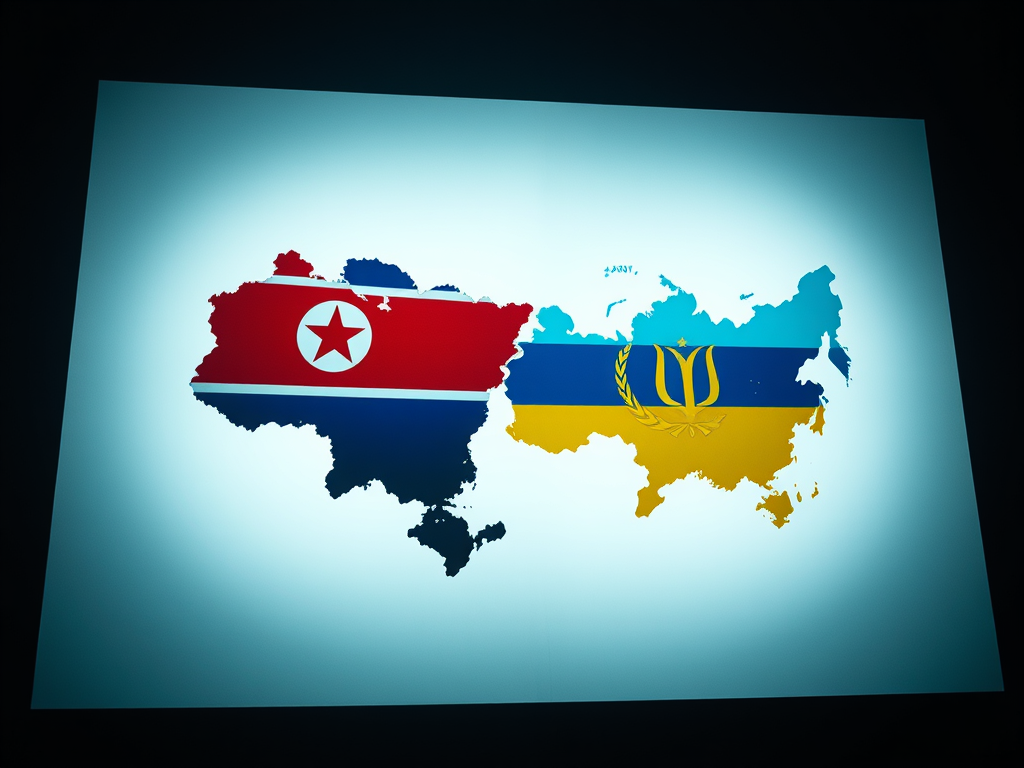
The trajectory of the North Korea-Russia relationship largely depends on the duration of the war in Ukraine. If the conflict continues for an extended period, it is likely that their cooperation will only deepen, as both countries seek to counter the effects of international isolation. This could lead to a more formalized military alliance and increased economic dependency between the two nations.
However, the implications of this partnership go beyond just the bilateral relationship. The increased cooperation between North Korea and Russia will undoubtedly affect the Korean Peninsula, particularly in terms of security dynamics. Neighboring countries such as South Korea, Japan, and even China will need to closely monitor the situation, while the United States and its allies may consider new strategies to counter the growing influence of this alliance.
How Should the International Community Respond?
The international community, especially Western and Eastern powers, must carefully assess the situation and consider various approaches to address the evolving North Korea-Russia alliance:
- Diplomatic Cooperation: Countries should prioritize diplomatic dialogue to foster mutual understanding and find peaceful solutions. This could involve engaging both North Korea and Russia in multilateral discussions to reduce tensions.
- Economic Sanctions: The use of economic sanctions may be necessary to curb certain actions, particularly if North Korea continues to develop its missile and nuclear programs with the help of Russian technology. However, the effectiveness of sanctions will need to be carefully monitored, especially if Russia continues to provide economic aid to North Korea.
- Military Preparedness: Nations may need to strengthen their security and military readiness to ensure stability in the region. This is especially true for South Korea, Japan, and other countries in the Asia-Pacific that could be directly affected by any escalation of tensions.
- International Organizations: Multilateral cooperation through international organizations like the United Nations can help address the growing security concerns. This could include efforts to impose new resolutions or enforce existing sanctions more rigorously.
Conclusion
The close ties between North Korea and Russia are reshaping the geopolitical landscape, particularly in Asia. As the war in Ukraine drags on, it’s likely that cooperation between these two nations will continue to grow, with potential implications for global security, especially regarding nuclear proliferation.
While the full impact of this partnership is yet to be seen, the international community will need to respond thoughtfully and strategically. Diplomatic efforts, economic sanctions, military preparedness, and cooperation through international organizations will all play key roles in managing this evolving situation.
The world is watching closely, and how global powers choose to navigate these challenges will determine the stability of the region in the years to come.
 Summit Select
Leave a comment