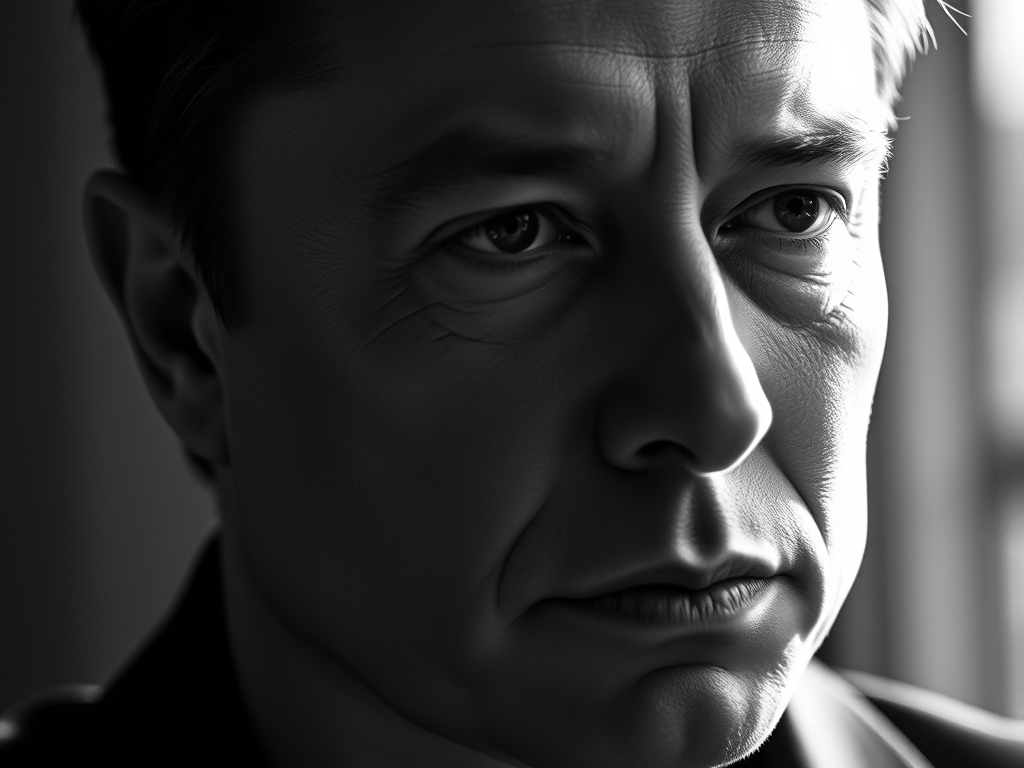
Elon Musk’s recent actions on his social media platform, X (formerly Twitter), have once again stirred controversy, raising concerns about his influence and judgment. On Monday morning, Musk deleted a post in which he questioned why former President Donald Trump has faced apparent assassination attempts in recent months, while President Joe Biden and Vice President Kamala Harris have not. Musk later claimed the post was intended as a joke.
His original comment, “And no one is even trying to assassinate Biden/Kamala 🤔,” sparked significant backlash. Musk resisted calls to remove the post, even doubling down in a reply that seemed to suggest his point was valid: “No one has even tried to do so is the point I’m making and no one will.” However, he eventually deleted the post, acknowledging that it could be misinterpreted. Despite his concession, Musk continued to engage with similar content, hinting that his intent was not purely humorous.
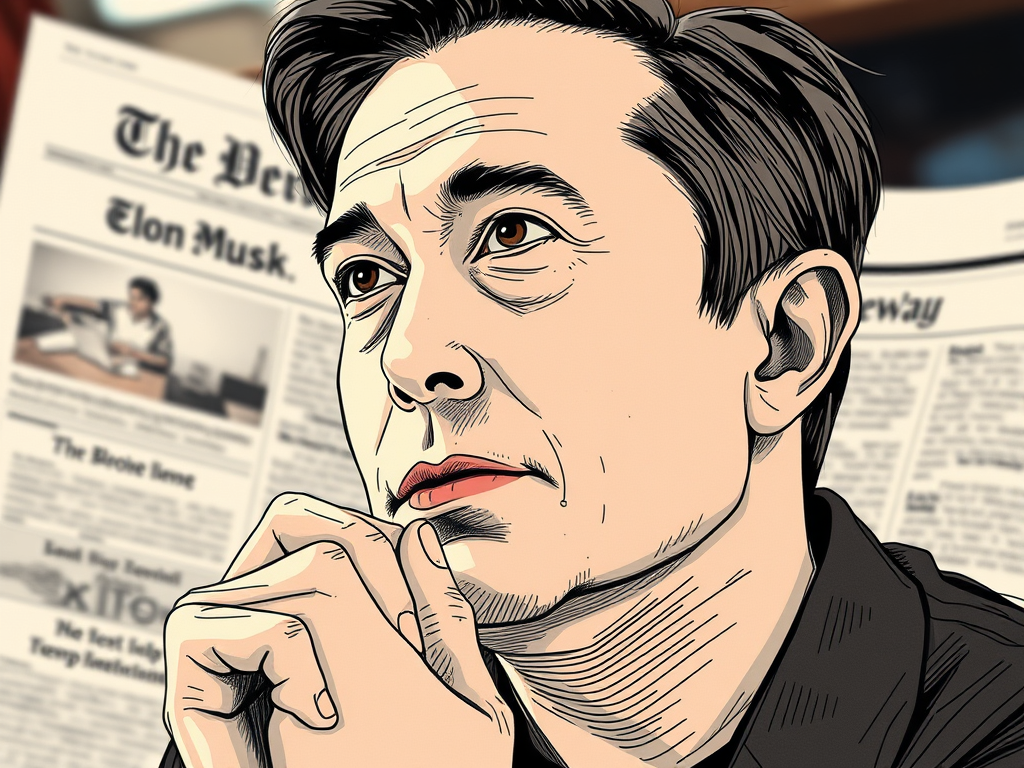
The White House condemned Musk’s remarks as “irresponsible,” emphasizing that any suggestion of violence, even in jest, is unacceptable. This aligns with the broader stance that political discourse in the United States should not encourage or trivialize violence. The Secret Service, which monitors threats against high-profile government figures, confirmed awareness of Musk’s comments but did not specify any actions.
Musk’s behavior on X is increasingly becoming a reflection of his broader political shift to the right. His support for Trump, his criticism of progressives as spreading a “woke mind virus,” and his warnings of America’s potential “doom” under Democratic leadership underscore this transformation. Yet, Musk’s tendency to promote conspiracy theories and inflammatory rhetoric on his platform raises legitimate concerns about the boundary between free speech and irresponsible commentary. Musk’s actions, such as posting misleading AI-generated images of Harris and making inappropriate comments about Taylor Swift, have pushed these boundaries, often without consequence.
What this situation highlights is the lack of clear guardrails on X under Musk’s ownership. While free speech is a fundamental right, Musk’s approach to platform moderation—or lack thereof—continues to blur the lines between opinion and incitement, joke and provocation. As one of the world’s most influential figures, Musk has a responsibility to understand the weight of his words, especially when they can so easily be misconstrued or wielded for more dangerous purposes.
In the end, this episode is a reminder of the power social media platforms wield in shaping public discourse and the need for responsible stewardship from their owners and leaders.
 Summit Select
Leave a comment