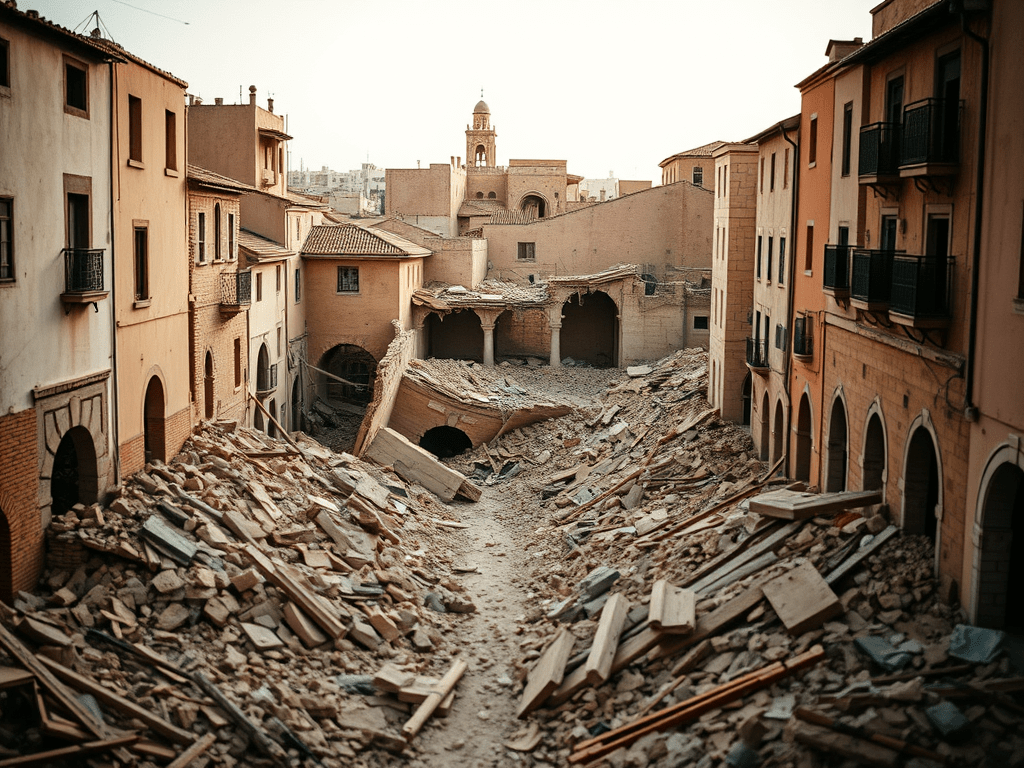
On the night of September 8 (local time), a 6.8-magnitude earthquake struck Morocco, causing widespread destruction and claiming over 2,000 lives while injuring more than 2,000 others. The earthquake occurred in the Atlas Mountains region of North Africa, and most of the fatalities were reported in remote mountainous areas that are difficult for rescue teams to access. The quake also caused significant damage in several regions, including the historic city of Marrakesh and the capital, Rabat. Some parts of Marrakesh’s old town, ‘Medina,’ which is a UNESCO World Heritage site, have also collapsed.
The Moroccan Ministry of Interior announced that the hardest-hit areas included Al Haouz, Marrakesh, Ouarzazate, and other regions. As rescue operations continue, the number of casualties is expected to rise. Economic losses from the earthquake are estimated to be between $100 million and $1 billion, and the US Geological Survey (USGS) has warned that up to 10,000 people could potentially die from this disaster.
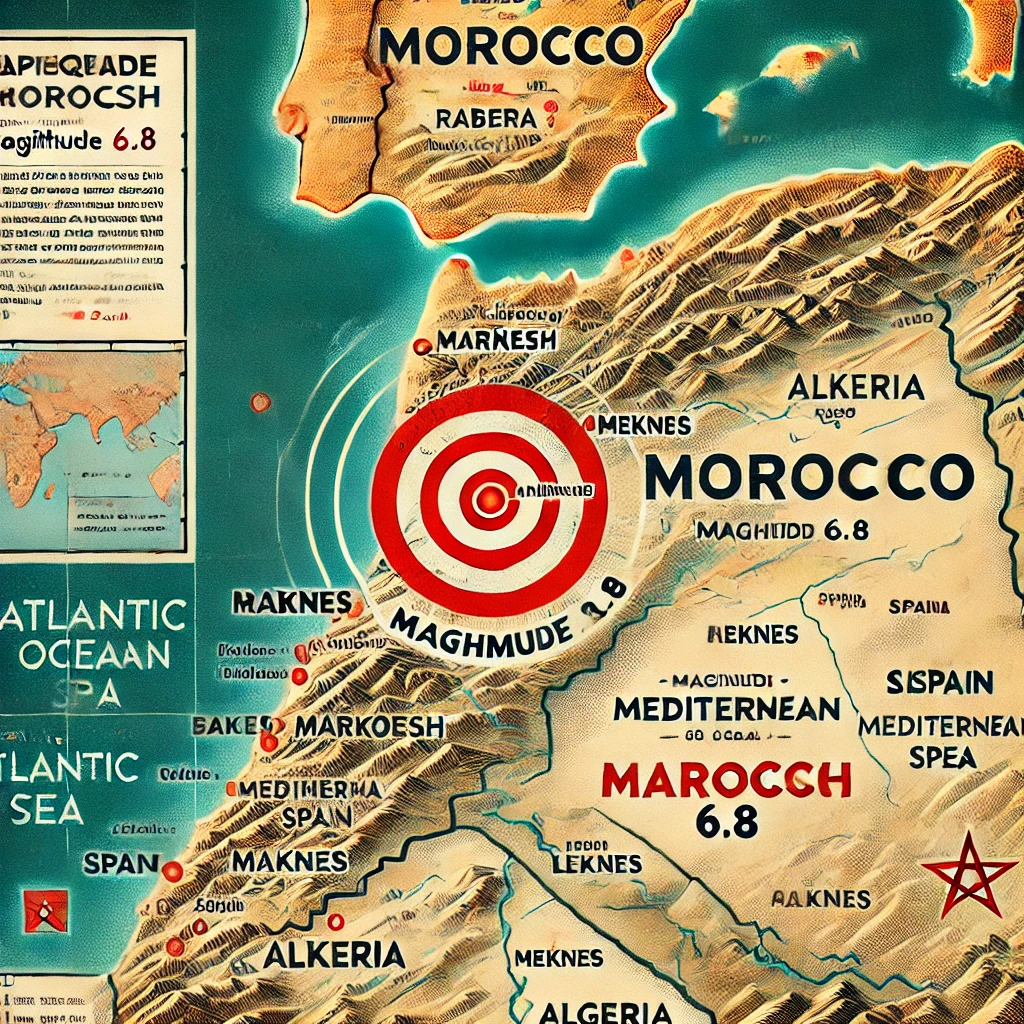
Although Morocco is located at the collision point of the African and Eurasian plates, making it vulnerable to earthquakes, a powerful earthquake of magnitude 6.0 or higher is considered an exceptional event. The lack of adequate seismic design in many Moroccan buildings has contributed to the extensive damage and loss of life. In response, international leaders such as U.S. President Joe Biden, Chinese President Xi Jinping, and Turkish President Recep Tayyip Erdoğan have offered support to Morocco.
This tragic event serves as a stark reminder of the need for better earthquake preparedness in Morocco. The lack of seismic resilience in buildings and the challenges faced in accessing mountainous regions have exacerbated the human toll. This disaster underscores the importance of strengthening preventive measures and improving emergency response systems to mitigate the impact of such natural disasters.
 Summit Select
Leave a comment